Photo: أمين (CC BY-SA 4.0)
Job description
Workers advise individuals and groups on things like diet and exercise, then follow up in person, by phone, or in writing to make sure people actually complete recommended actions, like a screening or doctor's visit. Much of the job is outreach: identifying and contacting high-risk or underserved groups, distributing educational flyers and brochures, and referring community members to the health services they need. Some also deliver basic preventive screenings, like blood pressure or hearing checks, and help collect data used to identify what a community needs most. It's close, in-person work, and dealing with frustrated or overwhelmed people is part of the territory.
Pros
- Standard, predictable full-time hours (30-40 per week)
- Much faster than average projected job growth (11.3% over the next decade)
- Bachelor's degree entry point with direct, hands-on impact in the community
Cons
- Pay tops out around $77k, capping long-term earning potential
- Close physical proximity to coworkers or the public for much of the shift
- Regularly deal with frustrated or upset people while working with high-risk populations
A typical day
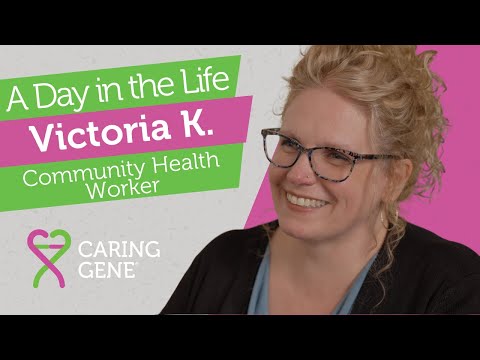
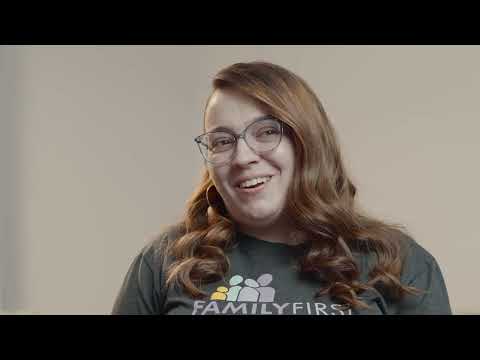
The morning is spent where the people are: a folding table at a church health fair, checking blood pressures and signing families up for a diabetes-prevention class in the language they're most comfortable in. Home visits follow — checking on a new mother the clinic flagged, walking through how to use the baby's prescription, and noticing the empty fridge that becomes a food-bank referral. The community health worker is often from the neighborhood they serve, and that trust is the whole model: people say things to them they'd never tell a doctor. Afternoons close with charting visits, following up missed appointments, and prepping materials for tomorrow's workshop.
Tasks at the job
- Advise clients or community groups on issues related to improving general health, such as diet or exercise.
- Maintain updated client records with plans, notes, appropriate forms, or related information.
- Identify or contact members of high-risk or otherwise targeted groups, such as members of minority populations, low-income populations, or pregnant women.
- Contact clients in person, by phone, or in writing to ensure they have completed required or recommended actions.
- Distribute flyers, brochures, or other informational or educational documents to inform members of a targeted community.
- Refer community members to needed health services.
Workplace & working conditions
Work happens indoors in a climate-controlled setting, and you work in close physical proximity to coworkers or the public for much of the shift.
There's a regular, moderate amount of time pressure. You'll regularly deal with frustrated or upset people as part of the job.
Education necessary or common
Bachelor's degree
Common college majors
Licenses & certifications
- State CHW certification (varies by state)
- CPR/First Aid
- CHES (Certified Health Education Specialist) with a degree
Career path
Related fields
Courses to take
- Health — the content of the job starts here
- AP Biology — grounding for every health conversation
- Spanish or another community language — often the single most valuable skill
- AP Psychology — behavior change is the actual work
- Sociology — health outcomes follow social conditions
Clubs, activities & competitions
- HOSA (Future Health Professionals)
- Red Cross club — health fairs and blood-drive organizing
- Volunteer at a community clinic or health department event
- Peer health educator program if your school has one
First steps you can take now
- Get CPR/First Aid certified this month
- Volunteer at a community health fair or vaccination clinic
- Ask your county health department if they employ community health workers you could shadow
- Practice explaining one health topic simply to a family member