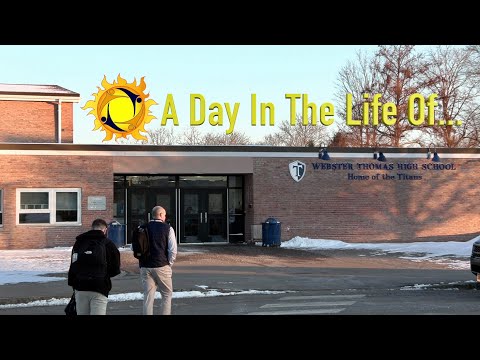
Photo: Harrison Keely (CC BY 4.0)
Job description
The scope ranges widely: an assistant principal handling day-to-day discipline and instruction at a single school looks different from a district superintendent overseeing multiple buildings, budgets, and staff. Daily work includes conferring with parents and teachers about student concerns, reviewing attendance and personnel records, and evaluating curricula and teaching methods to keep programs compliant with federal, state, and local rules. It's a highly structured job with real time pressure and near-constant contact with people, including some who arrive upset, so administrators need to exercise independent judgment while sticking to established procedure. Climbing from building-level to district-level roles typically requires more advanced credentials, up to a doctorate for the superintendent track.
Pros
- Strong pay reaching up to $168k, well above typical K-12 educator salaries
- Broad demand with 20,800 positions nationwide across districts and schools
- Meaningful influence shaping curriculum, school policy, and student outcomes systemwide
Cons
- Above-average hours, often exceeding a standard 40-hour work week
- Employment projected to shrink (-1.5%) over the next decade
- Requires a master's degree and state credential, with a doctorate common at the top level, a long credentialing path
A typical day
The principal is at the front door by 7:15 greeting buses, because visibility is policy: students behave differently in a building where the principal knows names. The morning holds two classroom observations — fifteen minutes each, notes on instructional practice for the coaching conversations that follow — and a data meeting where winter reading scores get turned into an intervention plan with names attached, not just percentages. Lunch duty doubles as pulse-taking. The afternoon runs the gauntlet: a parent conference about a bullying incident handled with both firmness and care, a teacher's personnel issue documented properly, a budget call with the district about next year's staffing, and a suspension decision weighed against everything known about the kid's home situation. The evening board meeting caps a twelve-hour day. Every decision echoes through hundreds of childhoods; that weight is the job's burden and its point.
Tasks at the job
- Confer with parents and staff to discuss educational activities, policies, and student behavior or learning problems.
- Create school improvement plans, using student performance data.
- Prepare, maintain, or oversee the preparation and maintenance of attendance, activity, planning, or personnel reports and records.
- Evaluate curricula, teaching methods, and programs to determine their effectiveness, efficiency, and use, and to ensure compliance with federal, state, and local regulations.
- Observe teaching methods and examine learning materials to evaluate and standardize curricula and teaching techniques and to determine areas for improvement.
- Counsel and provide guidance to students regarding personal, academic, vocational, or behavioral issues.
Workplace & working conditions
Work happens indoors in a climate-controlled setting.
There's a regular, moderate amount of time pressure, and you're expected to exercise significant independent judgment day to day. The work is highly structured, following set procedures. You'll regularly deal with frustrated or upset people as part of the job, and almost all of the work is done as part of a team.
Education necessary or common
Master's degree in education administration plus a state administrator credential; a doctorate (EdD or PhD) is common at the district superintendent level
Common college majors
Licenses & certifications
- State teaching license (prerequisite years of teaching)
- State administrator/principal credential
- EdD or PhD for superintendent-track roles
Career path
Related fields
Courses to take
- AP Psychology — child development and motivation
- English/AP English Language — communication is constant and consequential
- AP Statistics — school data literacy
- Public Speaking — assemblies, meetings, and hard conversations
- Sociology — schools sit inside communities
Clubs, activities & competitions
- Student government — school governance from the student side
- Peer tutoring or mentoring — the teaching root of the profession
- Lead a club or team — personnel management in miniature
- Volunteer with youth programs
First steps you can take now
- Interview your own principal about their path — teaching always comes first
- Tutor younger students regularly and study what makes learning happen
- Serve on a student advisory committee if your school has one
- Know the path honestly: years of teaching, then a master's in administration