Photo: Unknown authorUnknown author (CC BY 4.0)
Job description
Each day centers on a student's individualized education program (IEP): writing and updating goals, adapting lesson materials to fit specific needs, and tracking progress through ongoing assessment. Teachers work in close partnership with general education teachers, therapists, and parents, attending IEP meetings and checking in regularly on how a student is doing both academically and behaviorally. Some specialize further, working specifically with students who are blind, deaf, or have intellectual disabilities, and their classroom is often outfitted with adapted seating or sensory materials to match.
Pros
- Deeply meaningful, direct impact helping students with disabilities build academic and life skills
- Close, individualized relationships with students and families rather than large impersonal classes
- Only a bachelor's degree required to enter the profession
Cons
- Above-average hours -- expect more than a standard 40-hour work week
- Extensive IEP documentation required for legal compliance adds a significant paperwork burden
- Lesson plans must constantly flex to each child's needs rather than following one set curriculum
A typical day
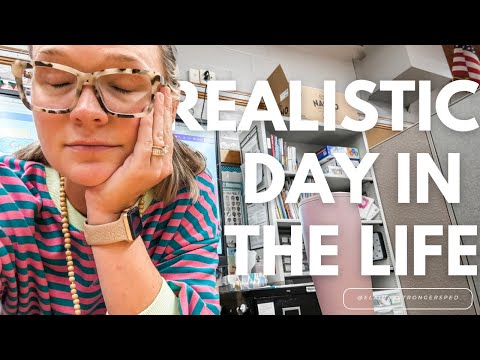
By 7:40 the classroom is staged: visual schedules posted, fidget tools out, and a math station rebuilt overnight because yesterday's version frustrated a student to tears. The morning runs in small rotations -- ten minutes of intensive phonics with two readers, then supporting a third grader through fractions in his general-ed class down the hall. Recess duty doubles as social-skills coaching, narrating turn-taking in real time. After dismissal comes the paperwork hour: logging progress data on each IEP goal and emailing three families about wins, not just problems.
Tasks at the job
- Develop and implement Individualized Education Programs (IEPs) tailored to each student's needs.
- Adapt lesson plans and materials to accommodate diverse learning, physical, or behavioral needs.
- Monitor and document student progress toward IEP goals through ongoing assessment.
- Collaborate with general education teachers, therapists, and parents to coordinate support.
- Manage classroom behavior using individualized strategies and positive reinforcement techniques.
- Attend IEP meetings and communicate regularly with families about student progress.
Workplace & working conditions
Work is based in an elementary school classroom or resource room, often adapted with specialized seating, materials, or sensory equipment.
The role requires close, patient one-on-one and small-group attention, and plans must flex constantly to each child's needs and progress rather than following a single set curriculum. Extensive documentation is required for legal compliance with each student's individualized plan.
Education necessary or common
Bachelor's degree
Common college majors
Licenses & certifications
- State teaching license with special education endorsement
Career path
Related fields
Courses to take
- AP Psychology -- child development and learning differences are the core knowledge
- English or AP Language -- IEP writing and parent communication demand clarity
- Child development electives -- direct preparation where offered
- AP Statistics -- IEP progress monitoring is genuine data work
- Art or music -- adaptable teaching tools for young learners
Clubs, activities & competitions
- Special Olympics volunteering -- the most relevant single experience
- Best Buddies or a peer buddy program -- ongoing relationships with students with disabilities
- Camp counselor or after-school program work with elementary kids
- Tutor younger students through a service club
First steps you can take now
- Volunteer with a Special Olympics or unified sports event this month
- Ask to help in an elementary special education classroom for a service project
- Babysit or mentor a younger child with a disability and note what strategies help
- Talk to a special education teacher about certification routes in your state