Photo: Knowledge and philosophy (CC BY-SA 4.0)
Job description
Much of the day is spent on your feet, actively running the room and giving one-on-one attention to students who need extra academic or behavioral support, while planning lessons and grading happen in the evenings outside school hours. Teachers also read aloud to the class, guide students through personal or academic struggles, and continuously observe and evaluate how each child is developing socially and physically, not just academically. The job requires a bachelor's degree and teaching certification, and experienced teachers can move into grade-level lead, mentor, or instructional coordinator roles over time.
Pros
- A very large number of positions (91,000) nationwide, so openings are common
- Meaningful, foundational role shaping students' core academic and social skills
- Collaborative work environment, with most tasks done as part of a school team
Cons
- Above-average hours (40-50/week), including planning and grading time outside the classroom
- Employment in this field is projected to shrink over the next decade (-2%)
- Regularly managing frustrated or upset students as a core part of the job
A typical day
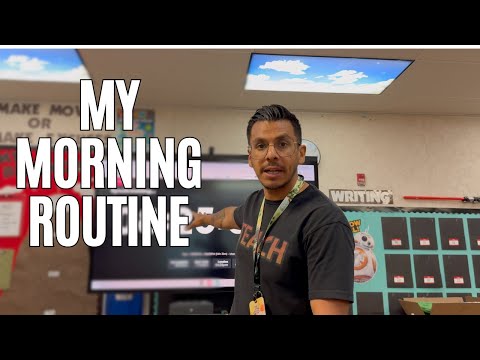
The classroom opens before the first bell so twenty-some third graders can hang up backpacks and start morning work. The day moves in blocks — a reading circle at 9, math manipulatives at 10:30, a science demo after lunch — with the teacher switching subjects, and teaching styles, every hour. Recess and lunch duty are rarely a break; they are where behavior issues get spotted and defused. After dismissal comes grading, parent emails, and setting up tomorrow's materials, because the day only runs smoothly if it was staged the night before.
Tasks at the job
- Instruct students individually and in groups, using teaching methods such as lectures, discussions, and demonstrations.
- Establish and enforce rules for behavior and procedures for maintaining order among the students.
- Guide and counsel students with adjustment or academic problems or with special academic interests.
- Plan and conduct activities for a balanced program of instruction, demonstration, and work time that provides students with opportunities to observe, question, and investigate.
- Read books to entire classes or small groups.
- Observe and evaluate students' performance, behavior, social development, and physical health.
Workplace & working conditions
Work happens indoors in a climate-controlled setting, and most of the day is spent on your feet, and you work in close physical proximity to coworkers or the public for much of the shift. Noise levels can be distracting or uncomfortable.
There's a regular, moderate amount of time pressure. You'll regularly deal with frustrated or upset people as part of the job, and almost all of the work is done as part of a team.
Education necessary or common
Bachelor's degree
Common college majors
Licenses & certifications
- State teaching license/certification (required in every state)
- Praxis or state-specific licensure exams
- CPR/First Aid certification
Career path
Related fields
Courses to take
- AP English Language — you will teach reading and writing every single day
- AP Psychology — child development is the core science of the job
- Public Speaking — a teacher performs for an audience six hours a day
- Child Development or Family & Consumer Sciences — many schools offer a direct preview
- AP US History — elementary teachers cover social studies too
Clubs, activities & competitions
- Educators Rising (national future-teacher organization)
- Tutoring or homework-help volunteering at an elementary school or library
- Summer camp counselor or vacation Bible school leader
- Peer mentoring program at your own school
First steps you can take now
- Volunteer weekly in an elementary classroom or after-school program
- Ask a favorite former teacher what they wish they had known at your age
- Babysit or coach young kids and pay attention to how you explain things
- Look up your state's teacher licensure requirements so the path is clear early