Photo: Mr. Reithmaier (CC BY 2.0)
Job description
Beyond reading to the class and guiding activities, kindergarten teachers establish and enforce classroom rules, watch for early signs of emotional, developmental, or academic issues, and loop in parents, counselors, or specialists when a student needs extra support. Most of the day is spent on your feet actively managing the room rather than sitting at a desk, and the pace runs on a regular, moderate amount of pressure with plenty of team collaboration among school staff. A bachelor's degree and teaching certification are required to start, and experienced teachers can move into mentor, curriculum, or administrative roles.
Pros
- Pay can reach $101k+ with experience, well above the entry-level range for teaching roles
- Meaningful, foundational role shaping children's earliest academic and social skills
- Collaborative work environment, coordinating closely with other teachers and specialists
Cons
- Above-average hours (40-50/week), including lesson planning time outside the classroom
- Employment in this field is projected to shrink over the next decade (-1.6%)
- Regularly managing frustrated or upset young children as a core part of the job
A typical day
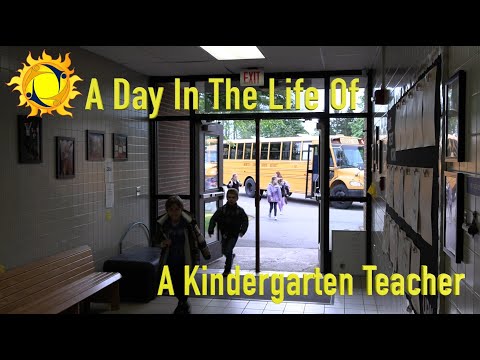
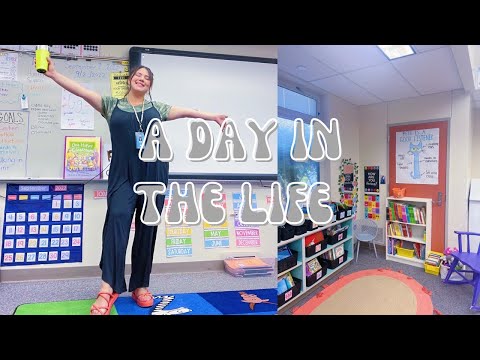
The room is ready before the first backpack arrives — name tags on tables, the morning message on the easel, twenty-two small chairs at circle time positions. The day runs in fifteen-minute heartbeats: calendar and songs, then a phonics lesson where the letter M gets traced in the air, in sand, and on paper, because five-year-olds learn through their hands. Mid-morning is centers — the teacher kneeling at the reading table with a small group while monitoring the block corner's diplomacy crisis with peripheral vision that borders on supernatural. After lunch and recess (tied shoes: eleven) comes a read-aloud with dramatic voices, math with counting bears, and a science moment when someone's tooth falls out. Dismissal is hugs, notes home, and matching children to buses. Then the quiet hour: resetting the room, and preparing tomorrow's small miracles.
Tasks at the job
- Establish and enforce rules for behavior and policies and procedures to maintain order among students.
- Prepare children for later grades by encouraging them to explore learning opportunities and to persevere with challenging tasks.
- Read books to entire classes or to small groups.
- Guide and counsel students with adjustment or academic problems or special academic interests.
- Observe and evaluate children's performance, behavior, social development, and physical health.
- Identify children showing signs of emotional, developmental, or health-related problems and discuss them with supervisors, parents or guardians, and child development specialists.
Workplace & working conditions
Work happens indoors in a climate-controlled setting, and most of the day is spent on your feet, and you work in close physical proximity to coworkers or the public for much of the shift.
There's a regular, moderate amount of time pressure, and you're expected to exercise significant independent judgment day to day. You'll regularly deal with frustrated or upset people as part of the job, and almost all of the work is done as part of a team.
Education necessary or common
Bachelor's degree
Common college majors
Licenses & certifications
- State teaching license with early childhood/elementary endorsement — required
- CPR/First Aid (pediatric)
- Praxis or state licensure exams along the path
Career path
Related fields
Courses to take
- Child Development or Early Childhood Education electives — many high schools offer them, some with practicum hours
- AP Psychology — how young minds learn and grow
- AP English Language — literacy instruction starts with your own
- Art and Music — kindergarten runs on both daily
- Public Speaking — a classroom is a performance space with a tough audience
Clubs, activities & competitions
- Educators Rising or Future Teachers club
- Volunteer or work in childcare: summer camps, Sunday school, after-care programs
- Babysitting with real intentionality — practice teaching, not just supervising
- Peer tutoring of younger elementary students
- Storytime volunteering at the public library
First steps you can take now
- Volunteer weekly in a kindergarten or preschool classroom — teachers welcome the help and you'll know fast if it fits
- Read one picture book aloud to a child with full dramatic commitment
- Ask a kindergarten teacher what people misunderstand most about the job
- Take a child development class and look into your state's teacher licensure path