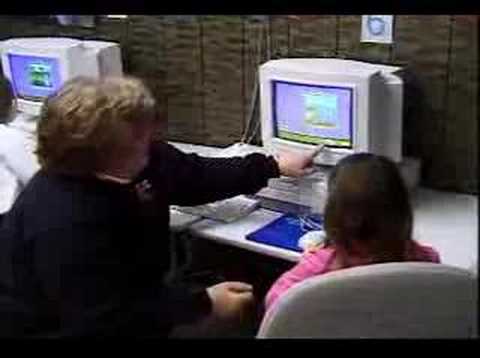
Photo: U.S. Navy photo by Mass Communication Specialist 1st Class Richard Doolin (Public domain)
Job description
On a given day, an administrator might step in to teach a class or care for children directly, then turn to hiring and training staff, setting budgets for supplies and equipment, or working through a parent's concern about their child's progress. Because licensing and safety rules for early-childhood programs are strict, much of the job involves keeping the center compliant without losing the warmth that makes it feel like a good place for kids. Administrators also track enrollment trends to plan staffing and curriculum changes ahead of time rather than reactively. It's a role built for someone who likes both people and paperwork in roughly equal measure.
Pros
- Meaningful independent judgment in shaping a program's curriculum and daily operations
- Hands-on variety, mixing direct work with children and administrative leadership
- Bachelor's degree is the ceiling requirement, no advanced degree needed
Cons
- Above-average hours, expect more than a standard 40-hour work week
- Employment in this field is projected to shrink over the next decade (-2.5%)
- Regularly deals with frustrated parents and staff amid tight regulatory requirements
A typical day
The center opens at 6:30 and the director is there for it: greeting parents at drop-off, absorbing the news that two teachers called out, and solving the ratio math before 7 — because state ratios are law, not guidance, and today that means the director covers the toddler room until the float arrives. Mid-morning restores the administrative layer: a licensing paperwork deadline, tuition accounts chased gently, interviews scheduled for the assistant-teacher opening that's been hard to fill. A parent meeting at noon needs delicacy — their son's biting phase, normal and mortifying, explained with child-development context and a plan. The afternoon holds a classroom observation with coaching notes, a supply order against a tight budget, and enrollment tours for two prospective families where the director sells what's real: warm rooms, low turnover, kids who are known. The job is a small business wrapped around a mission.
Tasks at the job
- Confer with parents and staff to discuss educational activities and policies and students' behavioral or learning problems.
- Recruit, hire, train, and evaluate primary and supplemental staff and recommend personnel actions for programs and services.
- Determine allocations of funds for staff, supplies, materials, and equipment and authorize purchases.
- Collect and analyze survey data, regulatory information, and demographic and employment trends to forecast enrollment patterns and the need for curriculum changes.
- Monitor students' progress and provide students and teachers with assistance in resolving any problems.
- Teach classes or courses or provide direct care to children.
Workplace & working conditions
Work happens indoors in a climate-controlled setting, and you work in close physical proximity to coworkers or the public for much of the shift.
There's a regular, moderate amount of time pressure, and you're expected to exercise significant independent judgment day to day. The work is highly structured, following set procedures. You'll regularly deal with frustrated or upset people as part of the job, and almost all of the work is done as part of a team.
Education necessary or common
Bachelor's degree
Common college majors
Licenses & certifications
- CDA (Child Development Associate) as a foundation
- State director credential (varies by state)
- Pediatric CPR/First Aid
Career path
Related fields
Courses to take
- Child Development — the field's core knowledge, often offered in high school
- AP Psychology — early childhood is applied developmental psych
- Business Math/Accounting — tuition, payroll, and budgets
- English — parent communication sets the center's tone
- Health — safety and licensing fundamentals
Clubs, activities & competitions
- FCCLA early childhood events
- Babysitting and nursery volunteering — hours with young children count
- Camp counselor or junior counselor summers
- Part-time or volunteer work at a daycare or preschool
First steps you can take now
- Get pediatric CPR/First Aid certified
- Work or volunteer in a childcare setting to test the daily reality
- Ask a center director what licensing inspections actually check
- Look up your state's childcare licensing rules — directors live by them