Photo: Nesnad (CC BY 4.0)
Job description
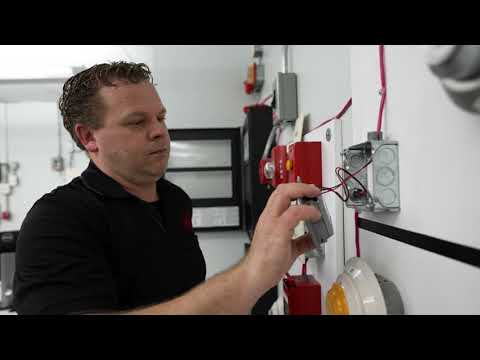
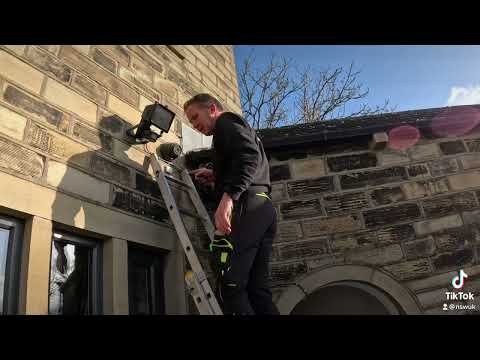
Installers follow blueprints of a building's electrical layout to mount control panels, door and window contacts, sensors, and cameras, then feed cable through walls, roof spaces, and access holes to connect everything. Once a system is in, they test circuits and sensors for proper function, troubleshoot loose connections or broken insulation when something's not working, and walk customers through how the system operates, including what causes false alarms. Much of the workday happens on the move between job sites, often working at heights, with a fast pace and real precision required since a poorly wired alarm defeats its entire purpose.
Pros
- Much faster than average projected growth at 10.4%, well above typical job market growth
- Entry through vocational training or apprenticeship, no four-year degree required to start
- Significant independent judgment expected day to day rather than constant close supervision
Cons
- Above-average hours are common, often exceeding a standard 40-hour week
- Regular exposure to working at heights and distracting noise levels on the job
- Frequent contact with frustrated or upset customers dealing with false alarms or system problems
A typical day
The van's first stop is a new-construction office fit-out: the installer runs cable through open ceilings — keypads, door contacts, motion detectors, and the panel location marked on plans — measuring twice because drywall closes tomorrow. Mid-morning brings terminations: landing wires at the panel, labeling every zone, and programming the system's users and schedules. The afternoon is a service call at a house whose alarm false-triggers at 3am; the installer hunts the fault to a spider-webbed motion sensor and a marginal battery, both replaced. A fire panel inspection closes the day — devices tested one by one, log signed, because that documentation is legally load-bearing. Clean work, code knowledge, and customer trust are the trade's three tools.
Tasks at the job
- Install, maintain, or repair security systems, alarm devices, or related equipment, following blueprints of electrical layouts and building plans.
- Mount and fasten control panels, door and window contacts, sensors, or video cameras, and attach electrical and telephone wiring to connect components.
- Demonstrate systems for customers and explain details, such as the causes and consequences of false alarms.
- Test and repair circuits and sensors, following wiring and system specifications.
- Feed cables through access holes, roof spaces, or cavity walls to reach fixture outlets, positioning and terminating cables, wires, or strapping.
- Examine systems to locate problems, such as loose connections or broken insulation.
Workplace & working conditions
Work happens mostly inside a vehicle or piece of equipment, and most of the day is spent on your feet. Noise levels can be distracting or uncomfortable. The role involves regular exposure to working at heights, and standard protective equipment (gloves, safety glasses, and similar) is expected.
The pace is often fast, with real time pressure to meet deadlines, and you're expected to exercise significant independent judgment day to day. Precision and accuracy are essential to the work, and the work is highly structured, following set procedures. You'll regularly deal with frustrated or upset people as part of the job.
Education necessary or common
Vocational training, apprenticeship, or associate's degree
Licenses & certifications
- State alarm installer license (varies)
- ESA Certified Alarm Technician
- NICET Fire Alarm Systems certification (career-defining for fire work)
- OSHA 10
Career path
Related fields
Courses to take
- Electronics/Shop — low-voltage wiring is the craft
- Physics — circuits and signals
- Computer Applications — modern systems are networked and app-driven
- Geometry — layout from plans
- English — explaining systems to customers
Clubs, activities & competitions
- SkillsUSA — electronics competitions
- Robotics or maker club — wiring and sensor experience
- Amateur radio club
- A helper job with an electrician or handyman
First steps you can take now
- Wire a sensor project on a breadboard: door contact, motion sensor, buzzer
- Learn low-voltage basics from free online courses
- Look up ESA/NTS certification and state alarm-installer licensing
- Ask local alarm companies about apprentice/helper openings — many hire at 18 and train