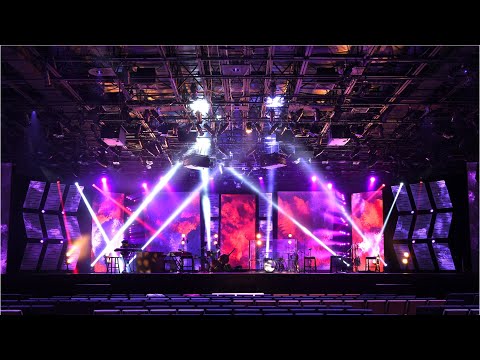
Photo: PattayaPatrol (CC BY-SA 4.0)
Job description
Working from a lighting plot, technicians set up and aim fixtures on ladders, scaffolding, or catwalks, then run the lighting board to execute programmed cues during rehearsals and live performances. They also troubleshoot cabling and power problems on the fly, collaborate with directors or camera crews to get the intended look, and check rigging and power distribution for safety before anything goes live. Hours run irregular and often late, tied entirely to production schedules, with real safety stakes around electrical work and no room for error once a cue has to fire on time.
Pros
- Accessible entry point via vocational training or an associate's degree, no bachelor's required
- Top pay can reach over $130k on higher-budget productions
- Hands-on technical craft blending problem-solving with the creative energy of live production
Cons
- Employment projected to shrink over the next decade (-4.6%)
- Small number of positions nationwide, so opportunities may be geographically limited
- Irregular hours running late into the night, with real safety risks from rigging and electrical work
A typical day
Load-in starts at 8am at the theater: the crew hangs instruments from the grid to the light plot's exact positions, safety cables on everything, cables dressed and labeled back to dimmers. The morning is ladder-and-wrench work with rhythm and banter. After lunch comes focus — the designer calls positions from the house while the tech at the instrument shutters, shapes, and locks each beam, a two-person language of 'hot spot,' 'shutter left,' and 'lock it off.' Color and gobos follow. The evening's tech rehearsal puts it all under pressure: cue by cue, the board operator runs the console while the crew troubleshoots a flickering dimmer live, swapping it at intermission with headset whispers. The show ends, notes get taken, and the crew is last out, powered down and pre-set for tomorrow. Concert and film versions of this day are bigger, faster, and paid better — same craft, higher stakes.
Tasks at the job
- Set up, rig, and focus lighting fixtures for a stage, set, or event according to a lighting plot.
- Run lighting boards and execute programmed cues during rehearsals and live performances.
- Troubleshoot and repair lighting, cabling, or power issues on short notice.
- Collaborate with directors, designers, or camera crews to achieve the intended look.
- Strike and pack up lighting equipment at the end of a production or event.
- Perform routine safety checks on rigging, power distribution, and equipment before use.
Workplace & working conditions
Work happens on stages, film/TV sets, or event venues, often up on ladders, scaffolding, or catwalks to rig fixtures, with exposure to heat from lights and heavy equipment to move.
Hours are irregular and tied to production or event schedules, often running late into the night with tight turnaround between setup and showtime. The work involves real safety stakes around rigging and electrical equipment, and cues have to be executed precisely and on time during a live show.
Education necessary or common
Vocational training, apprenticeship, or associate's degree
Licenses & certifications
- ETCP certified entertainment electrician (the industry's serious credential, years in)
- OSHA 10-Hour General Entertainment safety
- Aerial lift certification
- IATSE union membership — the professional pathway in most markets
Career path
Related fields
Courses to take
- Theater Tech/Stagecraft — the direct classroom for this trade
- Physics — electricity, optics, and color are the medium
- Electronics or Electrical Trades — dimming, data, and power distribution
- Art — light is a design element; the eye must be trained
- Computer Applications — modern consoles and networks are computers
Clubs, activities & competitions
- Theater tech crew — join today; every school production needs lighting hands
- Concert or worship venue volunteering — live event experience
- School broadcast or video club — lighting for camera differs and matters
- SkillsUSA — television production and audio/video events
First steps you can take now
- Join your school's tech crew for the next production and ask for a lighting assignment
- Learn to hang, focus, and cable an instrument (any theater teacher will happily teach a willing student)
- Study a lighting console simulator — several major ones are free downloads
- Volunteer at a community theater — smaller crews mean bigger responsibilities faster