Photo: Official Navy Page (CC BY 2.0)
Job description
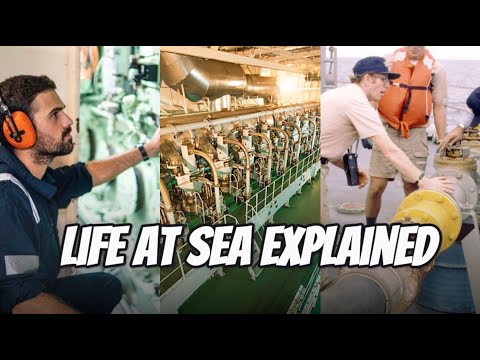
Duties split between active watch-standing, scanning the water for obstructions, measuring depth, and steering as directed by the captain or mate, and physical upkeep like chipping rust, mopping decks, and splicing rope and wire cable. Sailors also break out, rig, and stow cargo-handling gear and running rigging, and those working aboard liquid-carrying vessels need government tankerman certification in addition to standard seaman credentials. The role includes both able seamen and less experienced ordinary seamen, and the job is entirely outdoors, sometimes at height, and exposed to the elements, with real consequences if something goes wrong on deck.
Pros
- Low barrier to entry: high school diploma plus on-the-job training is enough to start
- Pay can climb past $83k with experience and certifications, well above entry-level
- Hands-on, varied work (rigging, navigation watch, deck maintenance) rather than a desk job
Cons
- Above-average hours (40-50/week) with irregular watch schedules at sea
- Constant outdoor exposure to weather, noise, and hazardous shipboard equipment
- Mistakes carry serious safety consequences, adding pressure to routine tasks
A typical day
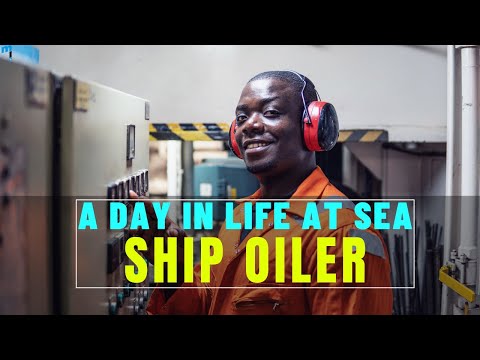
At sea the day belongs to the watch bill: the sailor stands lookout on the bow wing from 4 to 8, reporting lights and radar contacts to the mate, then turns to deck work after breakfast — chipping rust, priming steel, and greasing the mooring winches, because a ship is a fight against corrosion that never ends. An oiler's version happens below: rounds through the engine room, reading temperatures and pressures, wiping down machinery, changing filters on the schedule the chief engineer sets. Drills punctuate the week — fire, abandon ship — taken seriously because the ocean grades harshly. Port days flip everything into cargo watch and line handling. Months on, months off; the sea pays in wages and in distance from everything else.
Tasks at the job
- Sweep, mop, and wash down decks to remove oil, dirt, and debris, using brooms, mops, brushes, and hoses.
- Attach hoses and operate pumps to transfer substances to and from liquid cargo tanks.
- Splice and repair ropes, wire cables, or cordage, using marlinespikes, wire cutters, twine, and hand tools.
- Chip and clean rust spots on decks, superstructures, or sides of ships, using wire brushes and hand or air chipping machines.
- Stand watch in ships' bows or bridge wings to look for obstructions in a ship's path or to locate navigational aids, such as buoys or lighthouses.
- Break out, rig, and stow cargo-handling gear, stationary rigging, or running gear.
Workplace & working conditions
Work happens primarily outdoors, exposed to whatever the weather is doing, and most of the day is spent on your feet. Noise levels can be distracting or uncomfortable. The role involves regular exposure to hazardous equipment or conditions and contaminants and working at heights, and standard protective equipment (gloves, safety glasses, and similar) is expected.
The pace is often fast, with real time pressure to meet deadlines. Mistakes can have serious consequences, so accuracy matters a lot.
Education necessary or common
High school diploma; some on-the-job training or apprenticeship
Licenses & certifications
- Merchant Mariner Credential (USCG)
- TWIC card
- STCW Basic Training
- Able Seaman endorsement (with sea time)
Career path
Related fields
Courses to take
- Physical Education & Swimming — mariners must swim and work physically
- Shop/Mechanical — engine room and deck machinery basics
- Geography — navigation context and world routes
- Physics — stability, weather, and machinery
- Health/First Aid — self-reliance far from shore
Clubs, activities & competitions
- Sea Scouts — the direct maritime youth program
- Sailing club or community sailing programs
- JROTC (Navy option where offered)
- Swim team
First steps you can take now
- Join Sea Scouts or a community sailing program this season
- Look up the entry path: TWIC card and MMC (Merchant Mariner Credential) at 18 via the Coast Guard
- Consider the Seafarers International Union's apprenticeship — paid training for unlicensed roles
- Get comfortable with basic engine maintenance on anything: mowers, outboards, cars