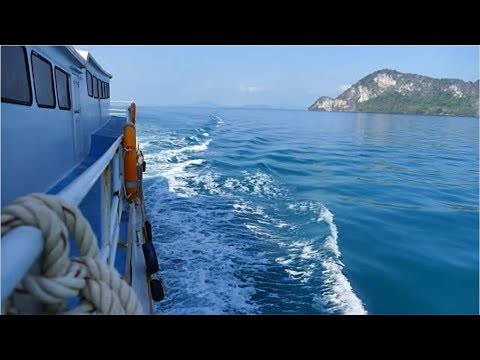
Photo: Vrinda Khushu (CC BY-SA 4.0)
Job description
Running a motorboat means managing the throttle and steering to hold a course, using compasses or electronic navigation aids to stay on track, and directing any crew aboard. Operators are also responsible for maintaining onboard equipment like range markers, fire extinguishers, and pumps, and for directing safety operations if an emergency comes up. The work follows set safety procedures closely, and operators often assist with broader navigational duties beyond just steering the boat.
Pros
- Pay can reach $84k+ for experienced operators, well above the entry-level range
- Low barrier to entry: high school diploma plus on-the-job training is enough to start
- Hands-on outdoor work directing a vessel and crew rather than a static desk role
Cons
- Above-average hours (40-50/week), often on irregular, weather-dependent schedules
- Only about 300 jobs nationwide, so openings are scarce and concentrated near waterways
- Slower than average projected job growth (1.4% over the next decade)
A typical day
The water taxi's first run leaves at 8am, so the operator is aboard at 7:15 for the pre-departure routine: engine checks, bilge and fuel inspection, life jacket counts, and a glance at the marine forecast that will shape the whole day. Morning crossings are rhythm work — reading current and traffic in the channel, easing the boat against pilings without a bump, handling lines and passengers with the same calm. A building afternoon chop forces a judgment call on whether the last outer-harbor run goes. Between trips there's a radio check with the harbor master and constant small maintenance. The log gets filled out after the final docking, weather noted, engine hours recorded.
Tasks at the job
- Operate engine throttles and steering mechanisms to guide boats on desired courses.
- Direct safety operations in emergency situations.
- Maintain desired courses, using compasses or electronic navigational aids.
- Organize and direct the activities of crew members.
- Follow safety procedures to ensure the protection of passengers, cargo, and vessels.
- Maintain equipment such as range markers, fire extinguishers, boat fenders, lines, pumps, and fittings.
Workplace & working conditions
Work happens primarily outdoors, exposed to whatever the weather is doing, and you work in close physical proximity to coworkers or the public for much of the shift. The role involves regular exposure to contaminants, and standard protective equipment (gloves, safety glasses, and similar) is expected.
The pace is often fast, with real time pressure to meet deadlines, and you're expected to exercise significant independent judgment day to day. Precision and accuracy are essential to the work, and the work is highly structured, following set procedures. You'll regularly deal with frustrated or upset people as part of the job.
Education necessary or common
High school diploma; some on-the-job training or apprenticeship
Licenses & certifications
- USCG Operator of Uninspected Passenger Vessels ("six-pack") license or Master license (for larger vessels)
- State boating safety certificate
- CPR/First Aid
Related fields
Courses to take
- Physical Education and swimming — strong swimming is a baseline job skill
- Physics — hulls, currents, and momentum are what boat handling actually is
- Geography or Earth Science — weather, tides, and navigation
- Algebra — fuel planning and chart work
- First Aid/Health — passenger emergencies fall to the operator first
Clubs, activities & competitions
- Sailing club or community rowing/paddling programs — water sense builds only on the water
- Sea Scouts (BSA) — youth maritime training with real boat time
- Lifeguard certification and work — water rescue plus responsibility
- U.S. Coast Guard Auxiliary youth programs where offered
First steps you can take now
- Take your state boating safety course this month — it's cheap, often online, and legally required to drive a boat in most states
- Get on the water regularly: rent, crew, volunteer, or join any boating program you can find
- Learn basic chart reading and the "rules of the road" for vessels
- Ask a water taxi, ferry, or tour operator how their captains earned their Coast Guard licenses