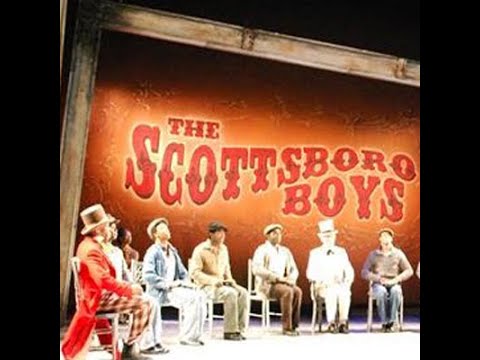
Photo: Ungry Young Man from Vienna, Austria (CC BY 2.0)
Job description
After reading the script and meeting with the director to nail down the visual concept, a set designer sketches ideas, builds scale models or digital renderings, and picks materials before handing plans to a construction crew to build. They stay involved through the build, overseeing scenic painting, prop placement, and dressing for continuity, and adjusting the design on the fly when budget, venue, or technical constraints like sightlines and rigging get in the way. The role sits closely alongside a production designer on film and TV sets, and work shifts between a design studio for planning and a stage, soundstage, or location during the actual build.
Pros
- Wide pay ceiling up to $130k for designers who build a strong reputation and reel
- Creative work translating a script into a tangible, physical world for actors and audiences
- Variety in day-to-day work, moving between studio design work and hands-on builds on set
Cons
- Above-average hours, often exceeding 55 in a week during production crunches
- Tight, non-negotiable production deadlines leave little room for schedule slippage
- Build phases mean working amid sawdust and paint fumes on set, not just at a desk
A typical day
The design meeting opens the morning: the director describes the play's world in feelings — 'oppressive but beautiful' — and the set designer's job is translating that into walls, levels, and sightlines that fit the stage, the budget, and forty set changes. Back at the drafting table, the white-card model gets revised: the second act's reveal needs the upstage wall to fly, and the designer confirms the theater's fly system can take it. The afternoon holds a paint-elevation session specifying every texture, a budget call with the technical director where something beloved gets simplified, and a shop visit watching flats become the drawing. Tech week will test everything under light. The set is a silent character; designing it means directing space.
Tasks at the job
- Read scripts to conceptualize scenic environments that support the story and tone.
- Create sketches, scale models, or digital renderings of proposed sets.
- Collaborate with directors and production designers to refine the visual concept.
- Select materials and coordinate with construction crews to build the set.
- Oversee scenic painting, dressing, and prop placement for continuity.
- Adjust designs to fit budget, venue, and technical constraints like sightlines or rigging.
Workplace & working conditions
Work happens in a design studio or office when sketching and planning, and on a theater stage, soundstage, or location during builds and installs, often amid sawdust and paint fumes.
Production schedules impose tight, non-negotiable deadlines, and the work requires close creative collaboration balanced against real budget and technical limits.
Education necessary or common
Bachelor's degree in theater design, architecture, or a related field is common
Common college majors
Career path
Related fields
Courses to take
- Art/Studio Art & AP Art — drawing, painting, and model-building
- Theater — the production process from inside
- Drafting/CAD — ground plans and elevations are the deliverables
- Geometry — scale and spatial reasoning
- English/Literature — script analysis drives every design
Clubs, activities & competitions
- Design school productions — build the portfolio now
- Thespian Society (ITS) festivals — scenic design competitions
- Art club
- Community theater volunteering
First steps you can take now
- Read a play and design its set: ground plan, sketch, and a shoebox model
- Volunteer for scenic construction and painting on the next school show
- Learn Vectorworks or SketchUp basics with free student access
- Photograph everything you make — portfolios get designers hired