Photo: NPS Photo / Emily Mesner (Public domain)
Job description
Beyond steering the vehicle, drivers announce stops, help elderly or disabled riders board and find a seat, and handle passenger questions about schedules or routes. They're also the first line of response when something goes wrong on board, whether that's a disruptive rider or a medical emergency, and they regulate the bus's heating and lighting for passenger comfort. The job involves sitting for long stretches in close quarters with the public, with noise and occasional exposure to fumes from the road. Regular time pressure comes with keeping to a published schedule, and dealing with frustrated passengers is a routine part of the work.
Pros
- Faster than average projected job growth (4.3%) with a solid job pool (20,900 positions)
- Strong pay ceiling ($84,700) achievable with just a HS diploma and on-the-job training
- Standard 40-45 hour week, more predictable than many long-haul driving roles
Cons
- Regularly deals with frustrated or upset passengers as a core part of the job
- Entry-level pay starts well below the ceiling, so early-career earnings are modest
- Close, constant contact with the public for the entire shift, with little downtime
A typical day
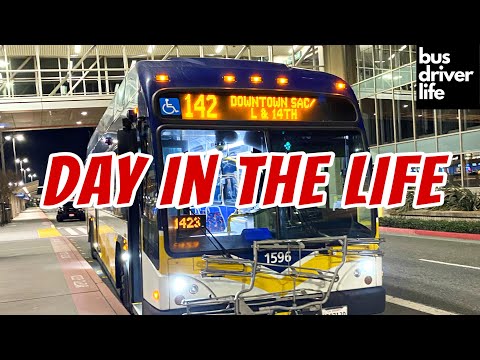
The relief point pickup at 5:50am puts the driver behind the wheel of a forty-foot coach already warm from the night shift, and the route becomes a rolling exercise in simultaneous skills: threading a twelve-ton vehicle through rush-hour lanes, holding a schedule that traffic actively sabotages, and running the front door's small society — fares, transfers, directions given, a wheelchair securement done properly and unhurried. Regulars become a cast of characters; a driver learns which corner floods and which stop's crowd means the game let out. Midday brings the layover's fifteen minutes of quiet, then the pattern reverses. Intercity drivers live a longer-haul version: luggage bays, highway hours, and terminals instead of corners. The seat is the office; smoothness — of braking, of temperament — is the professional signature.
Tasks at the job
- Park vehicles at loading areas so that passengers can board.
- Announce stops to passengers.
- Assist passengers, such as elderly or individuals with disabilities, on and off bus, ensure they are seated properly, help carry baggage, and answer questions about bus schedules or routes.
- Handle passenger emergencies or disruptions.
- Advise passengers to be seated and orderly while on vehicles.
- Regulate heating, lighting, and ventilating systems for passenger comfort.
Workplace & working conditions
Work happens mostly inside a vehicle or piece of equipment, and most of the day is spent sitting at a desk, and you work in close physical proximity to coworkers or the public for much of the shift. Noise levels can be distracting or uncomfortable. The role involves regular exposure to contaminants.
There's a regular, moderate amount of time pressure. You'll regularly deal with frustrated or upset people as part of the job.
Education necessary or common
High school diploma; some on-the-job training or apprenticeship
Licenses & certifications
- CDL Class B (or A) with passenger endorsement
- DOT physical
- State transit certifications (agency-provided)
Career path
Related fields
Courses to take
- Driver's Education
- Geography — routes, detours, and the city's mental map
- Public Speaking — all-day customer interaction
- Health / First Aid
- Business math — fares and schedules
Clubs, activities & competitions
- Any public-facing job: retail, food service, front desk
- Safe-driving programs
- Volunteer driving-adjacent roles (parade logistics, event shuttles as age allows)
- Team sports — patience and composure practice
First steps you can take now
- Protect your driving record from now on — transit agencies screen it hard
- Ride three different transit routes and study how veteran drivers handle stops, conflicts, and schedules
- Ask your transit agency about CDL training academies (most big agencies hire at 21 and train from scratch, paid)
- Get comfortable with pre-trip inspection concepts from free CDL study materials