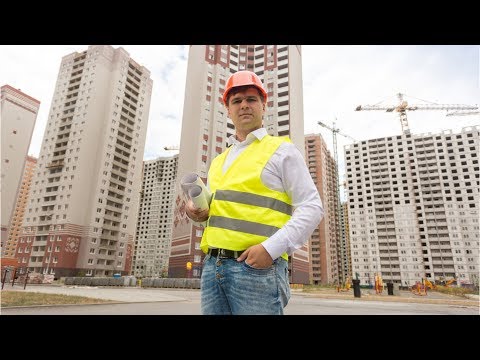
Photo: The U.S. Food and Drug Administration (Public domain)
Job description
A typical assignment means visiting a construction site or public housing property, checking it against contract specifications and legal requirements, then writing up findings in a formal report. Much of the job is documentary work: reviewing records and other paperwork to confirm facts or catch discrepancies before they become compliance problems. The pace is steady rather than frantic, but decisions on what passes inspection often have to be made on the spot, and inspectors regularly field pushback from property owners or contractors unhappy with the result.
Pros
- Faster than average projected job growth (3% over the next decade)
- Accessible entry point, needing only vocational training or an associate's degree
- Standard, capped hours (40-45) rather than an open-ended workweek
Cons
- Regularly deals with frustrated or upset people during inspections
- Work is highly document-heavy, requiring careful, precise recordkeeping
- Pay tops out around $134k, capping long-term upside compared to related fields
A typical day
The inspector's morning is a highway project site visit: the contractor billed for a compacted subgrade, and the inspector watches density tests run, checks tickets against delivered tonnage, and photographs the lift thickness — verification, not trust, is the job description. Midday brings a public housing complex inspection: units sampled, smoke detectors tested, a failed handrail and a mold complaint documented for enforcement. The afternoon is the investigative file: a contractor suspected of substituting cheaper materials, invoices compared against spec sheets and a lab report on a concrete core pending. The report language stays cool and precise; taxpayer money and contract law are the stakes on every page.
Tasks at the job
- Prepare correspondence, reports of inspections or investigations, or recommendations for action.
- Inspect government property, such as construction sites or public housing, to ensure compliance with contract specifications or legal requirements.
- Examine records, reports, or other documents to establish facts or detect discrepancies.
Workplace & working conditions
Work happens indoors in a climate-controlled setting.
There's a regular, moderate amount of time pressure, and decisions come up constantly and often need to be made quickly. Precision and accuracy are essential to the work. You'll regularly deal with frustrated or upset people as part of the job.
Education necessary or common
Vocational training, apprenticeship, or associate's degree
Common college majors
Licenses & certifications
- ICC inspection certifications
- OSHA 30
- State inspector credentials (agency-provided)
- Materials testing certifications (ACI concrete field testing)
Career path
Related fields
Courses to take
- Construction shop classes — you inspect what you understand
- Geometry and Algebra — measurements and quantities verified daily
- Government/Civics — contracts, codes, and public accountability
- English/Composition — inspection reports carry legal weight
- Chemistry or Physics — materials and testing basics
Clubs, activities & competitions
- SkillsUSA construction knowledge events
- Mock Trial — evidence and documentation
- Habitat builds — construction literacy
- Student government — how public rules get made and enforced
First steps you can take now
- Learn to read a construction specification and compare it against real work
- Watch a public works project from the sidewalk and identify the inspection points
- Get OSHA 10 certified
- Look up civil service inspector job postings and note the required experience