Photo: MassDOT (Public domain)
Job description
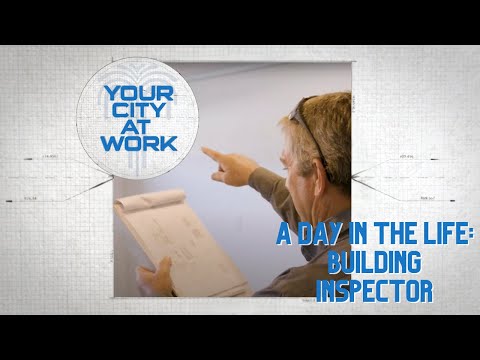
Inspectors review blueprints and site plans before construction even begins, checking that the design meets legal and safety requirements, then return throughout the build to examine wiring, plumbing, framing, or foundations against those approved plans. They also carry real authority: issuing permits for construction or demolition and approving, or rejecting, plans that fall short of code. Because the job means enforcing rules on other people's projects, often around active sites and heights, it combines fast, deadline-driven pace with the occasional frustrated contractor pushing back on a finding.
Pros
- Pay ceiling near $114k without needing a four-year degree, just vocational training or an associate's
- Wide variety of work, from reviewing blueprints one day to climbing into a bridge or building the next
- Significant day-to-day independent judgment rather than constant close supervision
Cons
- Employment projected to shrink slightly over the next decade (-0.8%)
- Regular exposure to heights and active job sites during inspections
- Fast-paced work with real deadline pressure, plus frequent contact with frustrated contractors or owners
A typical day
Four inspections are booked before lunch: a foundation pour that can't proceed until the rebar is verified against the approved plans, a rough electrical walkthrough in a remodel, a final on a new deck, and a complaint call about work happening without a permit. At each stop the routine is the same — plans on the tablet, code book in the head, flashlight in hand — and the verdict is documented with photos and specific code citations, because "fix it" without a citation is just an opinion. A failed inspection means a calm, clear conversation with a contractor who is losing money by the day. Afternoons are for plan review at the desk and writing up the day's reports.
Tasks at the job
- Approve building plans that meet required specifications.
- Review and interpret plans, blueprints, site layouts, specifications, or construction methods to ensure compliance to legal requirements and safety regulations.
- Issue permits for construction, relocation, demolition, or occupancy.
- Inspect bridges, dams, highways, buildings, wiring, plumbing, electrical circuits, sewers, heating systems, or foundations during and after construction for structural quality, general safety, or conformance to specifications and codes.
- Monitor installation of plumbing, wiring, equipment, or appliances to ensure that installation is performed properly and is in compliance with applicable regulations.
- Inspect and monitor construction sites to ensure adherence to safety standards, building codes, or specifications.
Workplace & working conditions
Work happens mostly inside a vehicle or piece of equipment. Noise levels can be distracting or uncomfortable. The role involves regular exposure to working at heights, and standard protective equipment (gloves, safety glasses, and similar) is expected.
The pace is often fast, with real time pressure to meet deadlines, and you're expected to exercise significant independent judgment day to day. You'll regularly deal with frustrated or upset people as part of the job.
Education necessary or common
Vocational training, apprenticeship, or associate's degree
Licenses & certifications
- ICC (International Code Council) inspector certifications
- State inspector license where required
- OSHA 10/30
Career path
Related fields
Courses to take
- Construction Trades/Shop — you can't inspect what you've never built
- Drafting/CAD — reading plans fluently is mandatory
- Physics — loads, spans, and why codes exist
- Geometry — measurements and layout verification
- English — reports and citations must be precise
Clubs, activities & competitions
- SkillsUSA construction trades
- Habitat for Humanity builds — see framing, wiring, and plumbing up close
- TSA architecture and construction events
- Part-time work with any contractor
First steps you can take now
- Pick up a free copy of your city's residential code summary and read one chapter
- Volunteer on a Habitat build and ask the site supervisor about inspections
- Watch a house being framed and learn the names of every member
- Look up ICC certification paths — many inspectors start as trades workers