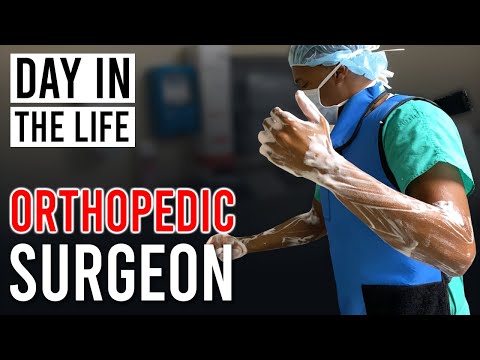
Photo: U.S. Army photo by 1st Lt. Katherine Sibilla (Public domain)
Job description
A typical week mixes clinic exam rooms, where X-rays or MRIs guide the call between surgery and non-surgical management, with scheduled time in the operating room repairing fractures, joints, ligaments, or the spine. Surgeons coordinate recovery plans with primary care physicians and physical therapists and track healing through follow-up exams over weeks or months. Scheduled procedures bring structure to the week, but trauma cases can force dropping everything for an urgent operation, and many surgeons eventually specialize in an area like sports medicine, spine, or joint replacement.
Pros
- Top of range clears $659k, among the highest-paid physician specialties
- Faster than average projected job growth at 4.1% over the next decade
- Directly restores patients' mobility and quality of life through surgical repair
Cons
- Above-average hours, and trauma calls can require dropping everything for an urgent case
- Procedures can run long and are physically demanding, often standing for extended periods
- A relatively small number of positions nationwide, so opportunities may be geographically limited
A typical day
OR day begins at 7am with a total knee replacement: the joint exposed, cuts guided by instrumentation, and components seated with a precision that will carry a retired teacher back onto her morning walks — orthopedics is carpentry elevated to medicine, and the surgeons embrace the comparison. Three more cases follow: a rotator cuff repaired arthroscopically through incisions smaller than a fingertip, a hip fracture from last night plated urgently, a hardware removal. Clinic days flip the ratio: thirty patients of new knees consults, post-op checks with X-rays read on the spot, injections placed, and the honest conversations about which backs need surgery and which need physical therapy — the best surgeons operate reluctantly. Today ends with rounds on the week's post-ops and a call-night handoff. The specialty's satisfaction is mechanical: broken things, fixed visibly.
Tasks at the job
- Diagnose musculoskeletal injuries and conditions using exams and imaging such as X-rays or MRIs.
- Perform surgeries to repair fractures, joints, ligaments, or the spine.
- Determine whether a condition requires surgery or can be managed non-surgically.
- Oversee post-surgical recovery plans, including physical therapy referrals.
- Consult with primary care physicians and physical therapists on patient treatment.
- Perform follow-up exams to monitor healing and surgical outcomes.
Workplace & working conditions
Work happens in hospital operating rooms, outpatient surgical centers, and clinic exam rooms, standing for extended periods during procedures.
Precision is critical, since surgical outcomes directly affect a patient's future mobility, and procedures can run long and physically demanding. Scheduled surgeries bring a structured pace, but trauma calls can require dropping everything for an urgent case.
Education necessary or common
Doctor of Medicine (MD) or Doctor of Osteopathic Medicine (DO), plus residency training in the specialty
Common college majors
Licenses & certifications
- Medical license (MD/DO)
- American Board of Orthopaedic Surgery certification
Career path
Related fields
Courses to take
- AP Biology — the premed foundation
- Anatomy and Physiology — musculoskeletal anatomy is the entire canvas
- AP Chemistry — the prerequisite chain
- AP Physics — biomechanics, forces, and implants
- Weight training or Sports Medicine electives — the athlete's-eye view of injury
Clubs, activities & competitions
- Athletic training student aide — injuries, rehab, and sidelines access
- HOSA-Future Health Professionals
- Team sports — firsthand appreciation of the machinery
- Woodshop or robotics — comfort with tools transfers surprisingly directly
First steps you can take now
- Volunteer as a student athletic trainer this season — the closest a teen gets to sports medicine
- Shadow an orthopedic surgeon or watch a joint replacement video (they're public and remarkable)
- Learn the major joints' anatomy from free resources
- Understand the path: college, medical school, five-year orthopedic residency — among the most competitive matches