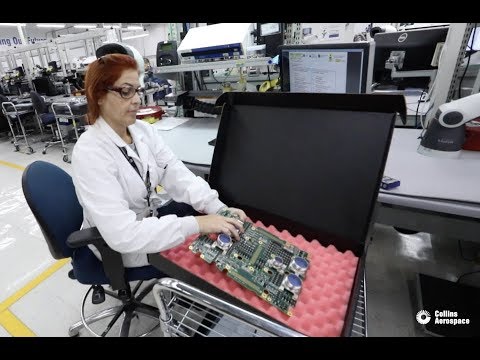
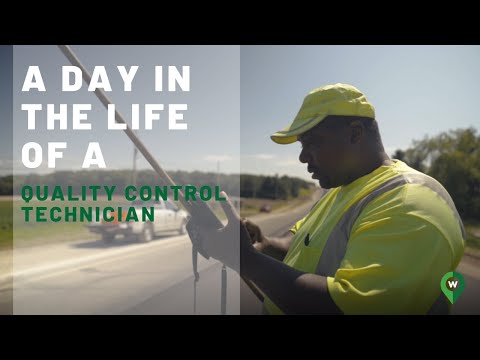
Photo: Encik Tekateki (CC BY-SA 4.0)
Job description
Using rulers, calipers, gauges, and micrometers, inspectors measure dimensions, test performance, and flag anything that falls outside spec, marking items with a grade or rejection status and writing up reports on what went wrong. The job is mostly on your feet in an indoor setting that isn't always climate-controlled, often noisy, and involves regular exposure to equipment and materials that call for gloves and safety glasses. Precision matters more than speed here: while there's a steady, moderate amount of time pressure, the real skill is exercising independent judgment about what passes and what doesn't, usually as part of a larger production team.
Pros
- Large field with nearly 70,000 positions and accessible entry via high school diploma
- Precision-focused role with real responsibility for catching defects before shipment
- Team-based work environment with steady, structured daily routines
Cons
- Employment growth is flat, essentially no projected change over the next decade
- Above-average hours, often exceeding a standard 40-hour work week
- Regular exposure to hazardous equipment and noise on the production floor
A typical day
First-article inspection opens the shift: the machine shop's first part of the run gets measured completely — calipers, micrometers, and a granite surface plate — before the other five hundred get made. The morning settles into sampling rhythm: pull five parts per hour, check the critical dimensions, log the data, and watch the trend chart for drift the operators can't feel yet. A batch fails at 10:40 — a bore two thousandths oversize — and the inspector quarantines the lot, tags it red, and triggers the process that finds out why. Afternoon brings incoming inspection on a supplier shipment and a calibration check on the height gauge. The job's quiet authority: nothing ships until inspection says so, and the inspector's signature means exactly what it says.
Tasks at the job
- Discard or reject products, materials, or equipment not meeting specifications.
- Mark items with details, such as grade or acceptance-rejection status.
- Measure dimensions of products to verify conformance to specifications, using measuring instruments, such as rulers, calipers, gauges, or micrometers.
- Notify supervisors or other personnel of production problems.
- Inspect, test, or measure materials, products, installations, or work for conformance to specifications.
- Write test or inspection reports describing results, recommendations, or needed repairs.
Workplace & working conditions
Work happens indoors, though not always in a climate-controlled space, and most of the day is spent on your feet. Noise levels can be distracting or uncomfortable. The role involves regular exposure to hazardous equipment or conditions and contaminants, and standard protective equipment (gloves, safety glasses, and similar) is expected.
There's a regular, moderate amount of time pressure, and you're expected to exercise significant independent judgment day to day. Precision and accuracy are essential to the work. Almost all of the work is done as part of a team.
Education necessary or common
High school diploma; some on-the-job training or apprenticeship
Licenses & certifications
- ASQ Certified Quality Inspector (CQI) — the field's core credential
- ASQ Certified Quality Technician (CQT) — the step up
- OSHA 10-Hour General Industry
Career path
Related fields
Courses to take
- Geometry — tolerances, dimensions, and geometric reasoning all shift long
- Algebra II — sampling math and measurement conversion
- Shop or Manufacturing Technology — knowing how parts are made reveals how they fail
- AP Statistics if available — statistical process control is the field's backbone
- Computer Applications — quality data lives in software
Clubs, activities & competitions
- SkillsUSA — precision measurement and quality events
- FIRST Robotics — build tolerance and fit experience
- Science Olympiad — measurement and engineering events
- Detail-oriented hobbies: model building, 3D printing calibration
First steps you can take now
- Learn to read calipers and a micrometer to a thousandth of an inch
- Practice measuring ten household objects and recording data in a spreadsheet
- Tour a factory and ask to meet the quality department
- Look up quality technician openings to see which certifications local employers list