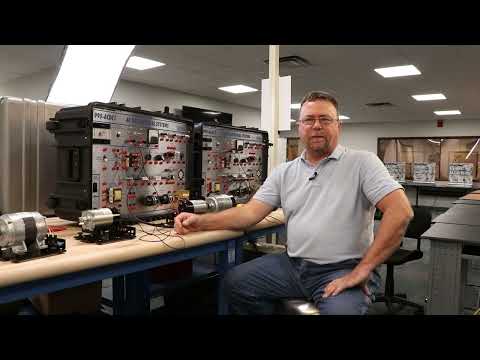
Photo: Shixart1985 (CC BY 2.0)
Job description
Mechanics diagnose problems by testing equipment with tools like voltmeters, then disassemble machinery to inspect parts for wear or breakage before repairing or replacing what's broken. After a fix, they run the equipment themselves to confirm the repair actually solved the problem, and they log what was done for maintenance records. The job can also include installing, dismantling, or relocating heavy machinery according to plans. It's physical work, mostly on your feet, often in loud spaces with exposure to hazardous equipment and sometimes heights, so protective gear is standard, and most mechanics come up through vocational training, an apprenticeship, or an associate's degree.
Pros
- Much faster than average projected job growth (16.1%), one of the strongest outlooks among the trades
- Over 45,700 positions nationwide, a large and accessible job market
- Pay can reach over $95k with only vocational training or an associate's degree
Cons
- Physically demanding work spent mostly on your feet disassembling and repairing heavy machinery
- Regular exposure to hazardous equipment, noise, and conditions requiring protective gear
- Requires ongoing use of testing instruments like voltmeters to correctly diagnose malfunctions, a real technical learning curve
A typical day
The radio crackles ten minutes into the shift: line three's palletizer is down, and every minute costs the plant real money. The mechanic reads the fault code, but the code only points — the diagnosis comes from a multimeter, a schematic, and experience, tracing the failure to a proximity sensor knocked out of alignment. By 9am the line is running and the mechanic moves to planned work: a gearbox rebuild scheduled for weeks, pulling the unit, pressing bearings, and setting backlash to spec. The afternoon holds preventive maintenance rounds — vibration readings, belt tensions, oil samples sent for analysis — the quiet work that prevents the loud emergencies. A machine that ran all day because of yesterday's PM is the job's invisible victory.
Tasks at the job
- Repair or replace broken or malfunctioning components of machinery or equipment.
- Disassemble machinery or equipment to remove parts and make repairs.
- Examine parts for defects, such as breakage or excessive wear.
- Record repairs and maintenance performed.
- Operate newly repaired machinery or equipment to verify the adequacy of repairs.
- Observe and test the operation of machinery or equipment to diagnose malfunctions, using voltmeters or other testing devices.
Workplace & working conditions
Work happens indoors, though not always in a climate-controlled space, and most of the day is spent on your feet. Noise levels can be distracting or uncomfortable. The role involves regular exposure to hazardous equipment or conditions and contaminants and working at heights, and standard protective equipment (gloves, safety glasses, and similar) is expected.
There's a regular, moderate amount of time pressure.
Education necessary or common
Vocational training, apprenticeship, or associate's degree
Licenses & certifications
- Industrial maintenance/mechatronics certificate or apprenticeship completion
- OSHA 10-Hour General Industry
- NIMS Industrial Technology Maintenance credentials
- Welding certification — a valuable add-on
Career path
Related fields
Courses to take
- Shop/Industrial Technology — the trade's home room
- Electronics or Electrical Trades — modern machines fail electrically as often as mechanically
- Physics — mechanical advantage, hydraulics, and motors
- Algebra II — clearances, ratios, and specifications
- Computer Applications — PLCs and maintenance software run the modern plant
Clubs, activities & competitions
- SkillsUSA — industrial maintenance and mechatronics competitions
- FIRST Robotics — building and fixing machines under pressure
- Small engine or automotive tinkering — diagnosis is diagnosis
- Part-time work at a farm, shop, or plant with machinery
First steps you can take now
- Rebuild something mechanical with a manual — a bike drivetrain, a mower engine
- Learn multimeter basics: voltage, continuity, resistance
- Ask a local plant about maintenance apprenticeships — many pay you to train
- Look up industrial maintenance or mechatronics programs at your career center or community college