Photo: Shixart1985 (CC BY 2.0)
Job description
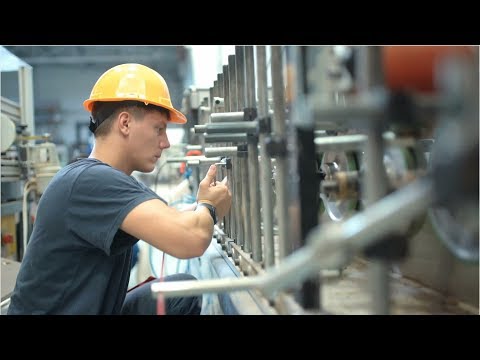
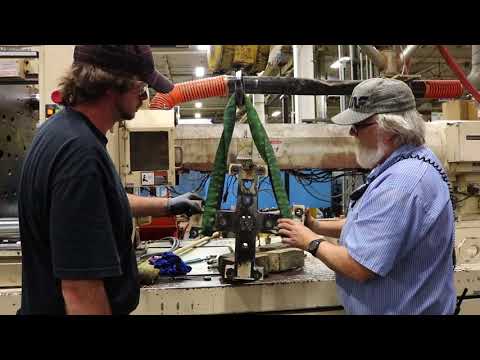
Maintenance workers keep industrial machinery running by lubricating parts on a set schedule, dismantling equipment to remove and replace worn components using hand tools and hoists, then reassembling machines once repairs are complete. Much of the job involves routine, preventive upkeep rather than emergency fixes, working from work orders and specifications to catch problems before they cause a breakdown. It's often a stepping stone toward becoming an industrial machinery mechanic, a related role with broader diagnostic responsibilities and higher pay.
Pros
- Pay can reach over $88k with only vocational training or an associate's degree
- Collaborative, team-based work maintaining and repairing industrial equipment
- Independent judgment role reading work orders and diagnosing repair needs on the job
Cons
- Employment in this field is projected to shrink over the next decade (-2.8%)
- Physically demanding work spent mostly on your feet dismantling and reassembling heavy machinery
- Regular exposure to hazardous equipment, noise, and conditions requiring protective gear
A typical day
The lubrication route starts the shift — the quiet discipline that keeps a plant alive: forty grease points hit to spec (the right grease, the right amount; over-greasing kills bearings as surely as neglect), oil levels checked and topped, and a gearbox sampled for analysis because the oil tells the machine's future. Mid-morning the route's trained senses pay off: a conveyor bearing sounds a half-note wrong, gets a temperature check and a vibration reading, and lands on the planner's schedule before it becomes a 2am breakdown call. The afternoon is scheduled component work — belts changed on a blower, a coupling aligned with dial indicators, filters swapped on the hydraulic unit — all logged in the maintenance system, because the records are how the plant learns. A machine guard gets re-secured properly on the way out. The job is the unglamorous first layer of the maintenance craft ladder, and the mechanics above it all started here, grease gun in hand.
Tasks at the job
- Dismantle machines and remove parts for repair, using hand tools, chain falls, jacks, cranes, or hoists.
- Reassemble machines after the completion of repair or maintenance work.
- Lubricate or apply adhesives or other materials to machines, machine parts, or other equipment according to specified procedures.
- Collaborate with other workers to repair or move machines, machine parts, or equipment.
- Read work orders and specifications to determine machines and equipment requiring repair or maintenance.
- Inspect or test damaged machine parts, and mark defective areas or advise supervisors of repair needs.
Workplace & working conditions
Work happens indoors, though not always in a climate-controlled space, and most of the day is spent on your feet. Noise levels can be distracting or uncomfortable. The role involves regular exposure to hazardous equipment or conditions and contaminants and working at heights, and standard protective equipment (gloves, safety glasses, and similar) is expected.
There's a regular, moderate amount of time pressure, and you're expected to exercise significant independent judgment day to day.
Education necessary or common
Vocational training, apprenticeship, or associate's degree
Licenses & certifications
- OSHA 10-Hour General Industry
- Lubrication certifications (ICML MLT I is a real, valued credential in this niche)
- Forklift certification
Career path
Related fields
Courses to take
- Shop/Industrial Technology — tools, fasteners, and machine anatomy
- Physics — bearings, belts, and hydraulics obey it
- Algebra — specs, quantities, and intervals
- Chemistry basics — lubricants and their jobs
- Computer Applications — CMMS logging
Clubs, activities & competitions
- Small engine and bike maintenance as a habit — lubrication and adjustment practice
- SkillsUSA — industrial maintenance exposure
- FIRST Robotics — machine care under a schedule
- Farm or shop part-time work
First steps you can take now
- Maintain something on a schedule for six months — a bike, mower, or car — with a written log
- Learn what a grease gun, torque wrench, and feeler gauge each do
- Ask a plant about maintenance helper/oiler openings — the classic entry to the mechanic track
- Watch a bearing replacement and belt alignment video to see the craft's core moves