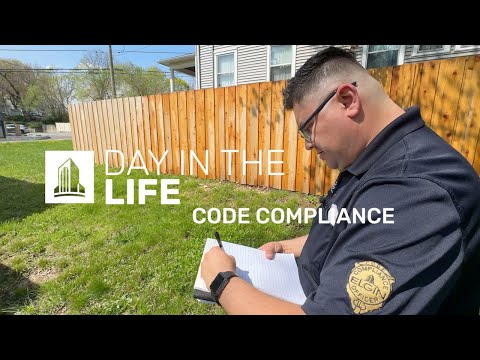
Photo: US Department of Labor (Public domain)
Job description
The bulk of the job is paperwork with teeth: combing through applications, records, and license files to determine eligibility or compliance, then documenting findings and, when needed, referring violations up to the board or agency with authority to act. Officers also work directly with the people they regulate, explaining what a rule actually requires and issuing a warning before things escalate to a formal violation. Because the regulations enforced range so widely by sector, anything from environmental permitting to financial licensing, most officers end up specializing in one regulatory niche rather than working across all of them. The job demands precision, since a wrong call on eligibility carries real consequences, and it means regularly fielding frustration from people who don't like the answer they're getting.
Pros
- Faster than average projected job growth (3% over the next decade)
- Work has real regulatory teeth, directly enforcing compliance with laws and permits
- Bachelor's degree is the ceiling requirement, no advanced credential needed
Cons
- Above-average hours, expect more than a standard 40-hour work week
- Regularly deals with frustrated or upset people, including those facing penalties
- Precision and accuracy are essential, since findings can lead to formal violations
A typical day
The inspection docket is set by 8:30: three license applications to review this morning — checking documentation, verifying qualifications, flagging the one where the paperwork doesn't match the database. Late morning is a site visit: walking a facility against a regulatory checklist, taking photos, explaining to the owner exactly which violations need fixing and by when. The tone matters — most people want to comply and need clear guidance, while a few need formal warnings with penalties spelled out. Back at the desk, the afternoon closes with written findings, because every decision must survive an appeal, and a recommendation memo on the application that didn't add up.
Tasks at the job
- Warn violators of infractions or penalties.
- Evaluate applications, records, or documents to gather information about eligibility or liability issues.
- Advise licensees or other individuals or groups concerning licensing, permit, or passport regulations.
- Prepare reports of activities, evaluations, recommendations, or decisions.
- Report law or regulation violations to appropriate boards or agencies.
- Confer with or interview officials, technical or professional specialists, or applicants to obtain information or to clarify facts relevant to licensing decisions.
Workplace & working conditions
Work happens indoors in a climate-controlled setting, and most of the day is spent sitting at a desk. Noise levels can be distracting or uncomfortable. The role involves regular exposure to contaminants.
There's a regular, moderate amount of time pressure. Precision and accuracy are essential to the work. You'll regularly deal with frustrated or upset people as part of the job, and almost all of the work is done as part of a team.
Education necessary or common
Bachelor's degree
Common college majors
Licenses & certifications
- Field-specific certifications (e.g. Registered Environmental Health Specialist, ICC inspector certs)
- CFE (Certified Fraud Examiner) for investigative tracks
Career path
Related fields
Courses to take
- AP U.S. Government — you enforce rules made by this system
- English — findings and violation notices must be airtight in writing
- Statistics — spotting anomalies in records and applications
- Chemistry or Environmental Science — many compliance fields are technical
- Business Law electives if offered
Clubs, activities & competitions
- Mock Trial — procedure and evidence handling
- Debate
- Student government or honor council — applying rules fairly
- Model UN — reading dense documents fast
First steps you can take now
- Look up your city's restaurant inspection reports and read five of them
- Learn what agencies regulate one industry you care about
- Practice writing a factual, neutral incident report
- Ask a health inspector, building inspector, or licensing clerk about their day