Photo: U.S. Air Force photo by Joel Martinez (Public domain)
Job description
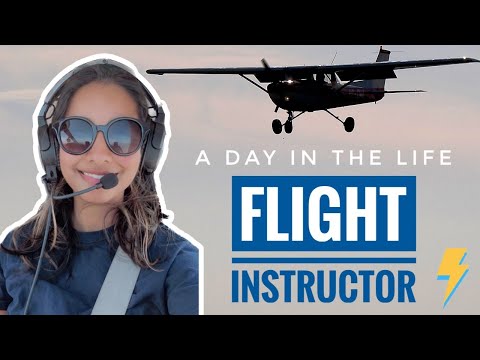
Instructors demonstrate maneuvers like takeoffs, landings, stalls, and emergency procedures from the cockpit, then evaluate each student's technique, judgment, and safety awareness before signing off on the logbook entries and endorsements required for certificates and ratings. Ground sessions cover weather briefings, flight plans, and aircraft logs, since a flight really begins well before the plane leaves the ramp. Because schedules depend heavily on weather and daylight and every flight carries real safety stakes, the job demands patience for repeating fundamentals with new students and constant readiness to take the controls if one errs; many instructors log these hours on their way toward eventually meeting airline hiring minimums.
Pros
- Solid pay from $40k to $90k without needing a four-year bachelor's degree
- A common stepping stone that builds flight hours toward airline hiring minimums
- Hands-on teaching in the cockpit with visible, immediate student progress each lesson
Cons
- Above-average hours are common, often exceeding a standard 40-hour work week
- Every flight carries real safety stakes, requiring constant readiness to take the controls
- Schedules depend heavily on weather and daylight, limiting predictability day to day
A typical day
The 7 a.m. student is pre-solo, so the instructor starts with a ground brief on crosswind technique before they walk the preflight together, the student's hands on everything. Three flights fill the morning: pattern work with the nervous beginner, a stage check for a student nearing checkride, and an instrument lesson under the hood in actual bumpy air. Between flights the instructor logs everything — every landing, every endorsement carries the instructor's certificate number and reputation. The afternoon holds a ground school class and a no-go decision when afternoon storms build; teaching judgment, the instructor knows, is the real curriculum.
Tasks at the job
- Teach pre-flight, in-flight, and post-flight procedures to student pilots at various skill levels.
- Demonstrate maneuvers such as takeoffs, landings, stalls, and emergency procedures from the cockpit.
- Evaluate student performance and provide feedback on technique, judgment, and safety awareness.
- Review weather briefings, flight plans, and aircraft logs with students before each lesson.
- Maintain currency in aircraft systems, regulations, and instructional techniques.
- Sign off on student logbooks and endorsements required for certificates and ratings.
Workplace & working conditions
Work happens both in the air, seated beside a student in a small aircraft cockpit, and on the ground in briefing rooms at an airport or flight school.
Every flight carries real safety stakes, requiring constant vigilance and readiness to take the controls if a student errs. Schedules often depend on weather and daylight, and the role requires patience for repeating the same fundamentals with each new student.
Education necessary or common
Commercial pilot certificate plus a Certified Flight Instructor (CFI) rating from the FAA
Licenses & certifications
- Private, then Commercial Pilot Certificate (FAA)
- Certified Flight Instructor (CFI), then CFII and MEI
- FAA medical certificate (get a first one early to confirm eligibility)
Career path
Related fields
Courses to take
- Physics — aerodynamics, weather, and performance
- Algebra II and Precalculus — flight planning math
- Geography/Earth Science — weather systems and navigation
- Public Speaking — instruction is communication under time pressure
- AP Psychology — students learn differently; good CFIs adapt
Clubs, activities & competitions
- Civil Air Patrol — cadet orientation flights and aerospace education
- Aviation Explorer post or high school aviation club
- EAA Young Eagles flights (free intro flights for teens)
- Ground school self-study — you can pass the FAA written at 15+
First steps you can take now
- Take a discovery flight at a local flight school this month
- Fly free with EAA Young Eagles and join Civil Air Patrol
- Start studying for the FAA private pilot written exam (free resources: FAA handbooks)
- Map the path: private pilot at 17, commercial certificate, then CFI — often reached by 19-21