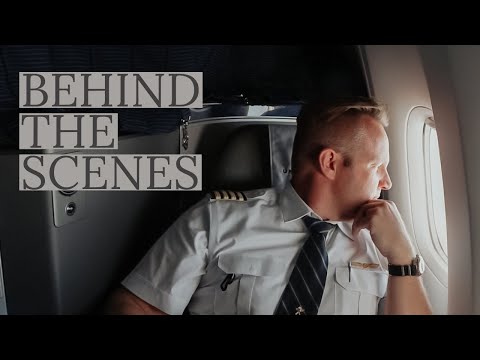
Photo: Maarten Visser from Capelle aan den IJssel, Nederland (CC BY-SA 2.0)
Job description
Before every flight, pilots run through a detailed checklist inspecting the aircraft for defects, then coordinate with air traffic control for clearances and routing throughout the trip. In poor visibility they lean heavily on instruments rather than sight, and during takeoff and landing especially, the job becomes tightly coordinated teamwork with the rest of the flight crew. Airline pilots need a Federal Air Transport certificate and a rating specific to the aircraft they fly, and most spend years building hours as regional pilots or first officers before moving to larger aircraft or captain roles. Long stretches in the cockpit are punctuated by moments of high alertness, especially when responding to in-flight emergencies or malfunctions.
Pros
- Six-figure entry-level pay with upside beyond $460k at the top of the field
- Hours stay capped around 30-40 a week, lighter than many demanding professional careers
- Projected job growth of 3.9% keeps the hiring pipeline healthy industry-wide
Cons
- Mistakes can have serious consequences, so the job carries constant high-stakes pressure
- Regularly exposed to heights and contaminants, requiring standard protective equipment on the job
- Frequently deals with frustrated or upset people amid a fast-paced, team-dependent schedule
A typical day
Report time is 90 minutes before a 7am departure: weather packet, fuel decision, and a briefing with the first officer about the route and today's threats — storms over the Rockies, a short runway at the destination. Preflight walkaround done, the flying alternates legs between captain and first officer; cruise is monitoring, fuel checks, and position reports, but approach into a gusty crosswind demands full attention and hands. Between flights there's a 45-minute turn, a crew meal grabbed standing up, and two more legs before the hotel van. Four days on, three off, and a simulator checkride looming every nine months that keeps everyone honest.
Tasks at the job
- Use instrumentation to guide flights when visibility is poor.
- Start engines, operate controls, and pilot airplanes to transport passengers, mail, or freight, adhering to flight plans, regulations, and procedures.
- Work as part of a flight team with other crew members, especially during takeoffs and landings.
- Respond to and report in-flight emergencies and malfunctions.
- Inspect aircraft for defects and malfunctions, according to pre-flight checklists.
- Contact control towers for takeoff clearances, arrival instructions, and other information, using radio equipment.
Workplace & working conditions
Work happens mostly inside a vehicle or piece of equipment, and most of the day is spent sitting at a desk, and you work in close physical proximity to coworkers or the public for much of the shift. Noise levels can be distracting or uncomfortable. The role involves regular exposure to contaminants and working at heights, and standard protective equipment (gloves, safety glasses, and similar) is expected.
The pace is often fast, with real time pressure to meet deadlines, and you're expected to exercise significant independent judgment day to day. Mistakes can have serious consequences, so accuracy matters a lot. You'll regularly deal with frustrated or upset people as part of the job, and almost all of the work is done as part of a team.
Education necessary or common
Bachelor's degree
Common college majors
Licenses & certifications
- FAA Private, Instrument, Commercial, then ATP certificate
- FAA First-Class Medical
- Type ratings (per aircraft, airline-provided)
Career path
Related fields
Courses to take
- AP Physics 1 — lift, drag, and energy management made rigorous
- Precalculus/AP Calculus AB — flight planning math and airline aptitude tests
- Geography — weather patterns and route knowledge
- AP English Language — checklists and CRM depend on precise communication
- AP Psychology — crew resource management is applied human factors
Clubs, activities & competitions
- Civil Air Patrol — cadet orientation flights and aerospace education
- Aviation Explorers or a school flying club
- AOPA/EAA Young Eagles free flights
- A part-time job to fund flight lessons — most pilots start paying their own way
First steps you can take now
- Take a discovery flight this month at a local flight school — one hour tells you a lot
- Get a first-class FAA medical exam early to confirm no career-blocking issues before investing money
- Fly free with EAA Young Eagles if you're under 18
- Research airline cadet academies and aviation universities and compare total training cost honestly