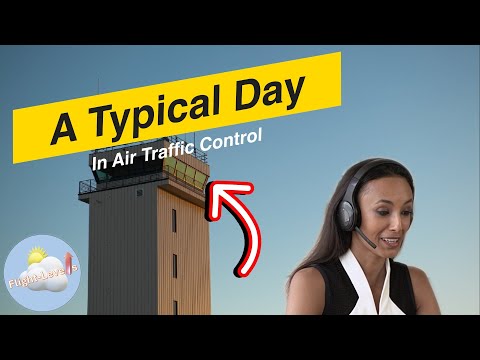
Photo: Petar Marjanovic (CC BY-SA 3.0)
Job description
Controllers stay in constant radio contact with pilots, relaying weather conditions, nearby traffic, and other hazards, and issue the actual landing and takeoff authorizations that keep aircraft moving through their sector. Beyond routine traffic, the job includes coordinating searches for missing aircraft and training newer controllers on the job. Because a lapse in attention can have serious safety consequences, the work demands constant focus and independent judgment, all while sitting at a station for most of a shift that's rarely free of time pressure.
Pros
- Very strong pay at every level, entry-level pay is already strong and the ceiling reaches $215,610
- Standard 40-45 hour week despite the high-stakes nature of the job
- High level of responsibility and trust directing real-time aircraft safety decisions
Cons
- Slower than average projected job growth (1.2%), limiting new openings
- Small, geographically limited job market of about 2,200 positions nationwide
- Constant real-time decision-making under time pressure where mistakes can have serious consequences
A typical day
Plugging into the radar position mid-morning, the controller takes a two-minute position briefing, then owns a sector of sky: a dozen aircraft climbing, descending, and crossing, each a voice and a data block that must never conflict. Instructions go out in clipped, standard phraseology — headings, altitudes, speeds — while the mind runs a rolling three-dimensional prediction of where everyone will be in ninety seconds. Breaks are mandatory and frequent because the focus is total. An afternoon weather cell reroutes half the traffic at once, and the sector gets loud. The shift ends when relief plugs in and the picture is handed off clean.
Tasks at the job
- Inform pilots about nearby planes or potentially hazardous conditions, such as weather, speed and direction of wind, or visibility problems.
- Contact pilots by radio to provide meteorological, navigational, or other information.
- Initiate or coordinate searches for missing aircraft.
- Provide on-the-job training to new air traffic controllers.
- Complete daily activity reports and keep records of messages from aircraft.
- Issue landing and take-off authorizations or instructions.
Workplace & working conditions
Work happens indoors in a climate-controlled setting, and most of the day is spent sitting at a desk, and you work in close physical proximity to coworkers or the public for much of the shift. Noise levels can be distracting or uncomfortable.
There's a regular, moderate amount of time pressure, and you're expected to exercise significant independent judgment day to day. Mistakes can have serious consequences, so accuracy matters a lot. You'll regularly deal with frustrated or upset people as part of the job, and almost all of the work is done as part of a team.
Education necessary or common
Vocational training, apprenticeship, or associate's degree
Common college majors
Licenses & certifications
- FAA Air Traffic Control Specialist certification (via the FAA Academy)
- Facility ratings earned on the job
Career path
Related fields
Courses to take
- AP Physics 1 — aircraft performance intuition starts here
- Precalculus — speed, time, and distance math done fast in the head
- Geography — airspace is a map you must hold mentally
- Public Speaking — clear, economical speech is the core tool
- AP Psychology — attention and workload management are studied subjects
Clubs, activities & competitions
- Civil Air Patrol — airspace and radio procedure exposure
- Flight simulation clubs or online ATC networks (VATSIM has realistic procedural training)
- Chess or esports — sustained tactical concentration under pressure
- Aviation Explorers
First steps you can take now
- Listen to live ATC (liveatc.net) for a week and learn to follow one facility's rhythm
- Try controlling on VATSIM's training program to feel the mental workload honestly
- Visit a control tower — some facilities give tours to aviation-interested students
- Read the FAA's ATC hiring requirements now: age limits (must generally be hired before 31) make early planning matter