Photo: 4300streetcar (CC BY 4.0)
Job description
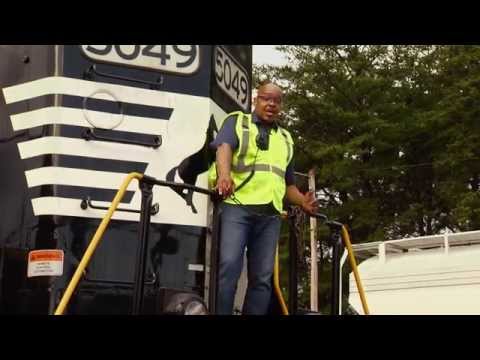
Conductors run the crew on passenger or freight trains, signaling engineers on when to start, stop, or change speed and conferring with them on routes and alternative paths when track defects or obstructions come up. Yardmasters instead focus on the yard itself, reviewing schedules and switching orders and directing workers who couple, uncouple, and route railcars. Both roles depend on meticulous recordkeeping, since knowing exactly what's in each car and where it needs to go keeps freight and passengers moving correctly. Decisions often have to be made quickly, and mistakes can carry serious consequences, so the job demands equal parts accuracy and fast judgment under regular time pressure.
Pros
- Strong pay ceiling ($109,770) achievable with just a HS diploma and on-the-job training
- Leadership and coordination responsibility directing yard crews and train movements
- Fast, high-stakes decision-making that keeps the work engaging rather than routine
Cons
- Above-average hours, expect more than a standard 40-hour work week
- Slower than average projected job growth (1.1%)
- Regularly deals with frustrated or upset people while working outdoors exposed to weather and hazardous equipment
A typical day
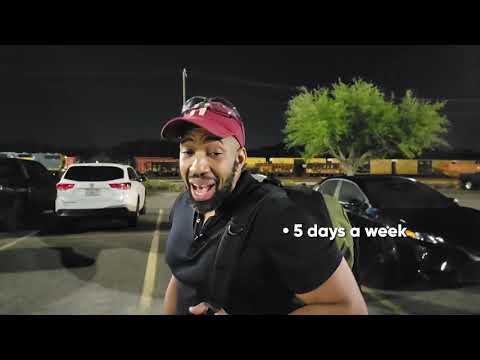
On a road freight, the conductor's day starts with the crew call — sometimes at 2am, because trains run when they run — followed by a briefing with the engineer over the paperwork: tonnage, hazmat cars and their placement, slow orders along the route. En route, the conductor manages everything that isn't driving: signals compliance, setouts and pickups at industries, walking the train when a defect detector reports trouble. A yardmaster's version of the day happens in a tower instead, choreographing which tracks build which outbound trains and keeping switching crews productive and safe. Both jobs share a core: total accountability for the movement, the paperwork, and the people.
Tasks at the job
- Signal engineers to begin train runs, stop trains, or change speed, using telecommunications equipment or hand signals.
- Confer with engineers regarding train routes, timetables, and cargoes, and to discuss alternative routes when there are rail defects or obstructions.
- Direct and instruct workers engaged in yard activities, such as switching tracks, coupling and uncoupling cars, and routing inbound and outbound traffic.
- Keep records of the contents and destination of each train car, and make sure that cars are added or removed at proper points on routes.
- Arrange for the removal of defective cars from trains at stations or stops.
- Direct engineers to move cars to fit planned train configurations, combining or separating cars to make up or break up trains.
Workplace & working conditions
Work happens primarily outdoors, exposed to whatever the weather is doing, and most of the day is spent sitting at a desk. Noise levels can be distracting or uncomfortable. The role involves regular exposure to hazardous equipment or conditions and contaminants, and standard protective equipment (gloves, safety glasses, and similar) is expected.
There's a regular, moderate amount of time pressure, and decisions come up constantly and often need to be made quickly. Mistakes can have serious consequences, so accuracy matters a lot. You'll regularly deal with frustrated or upset people as part of the job, and almost all of the work is done as part of a team.
Education necessary or common
High school diploma; some on-the-job training or apprenticeship
Licenses & certifications
- Conductor certification (FRA, employer-provided training)
- Hazmat qualification (employer-provided)
Career path
Related fields
Courses to take
- English — rules, paperwork, and radio precision
- Physics — train dynamics and braking
- Geography — territory knowledge matters
- Physical Education — road conductors walk trains in all conditions
- Computer Applications — modern manifests and reporting are digital
Clubs, activities & competitions
- JROTC — responsibility and structure
- Team captaincy in any sport — the accountability habit
- SkillsUSA
- Model railroading club — operations knowledge that's genuinely transferable
First steps you can take now
- Read what conductor trainee life involves: on-call boards, away-from-home terminals — decide honestly if it fits you
- Apply to Class I railroads at 18; conductor is the standard entry to train service and the path to locomotive engineer
- Watch a full cab-ride video with an eye on signals and paperwork, not scenery
- Get comfortable with early, irregular hours now — the lifestyle is the hard part