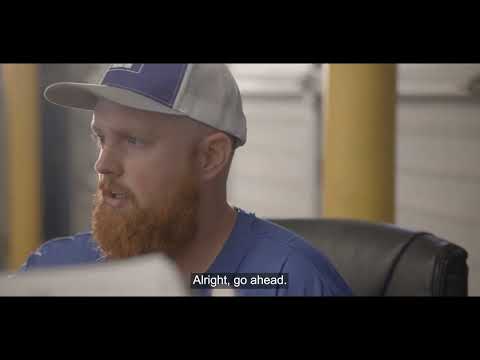
Photo: U.S. Air Force photo by Staff Sgt. Koby Saunders (Public domain)
Job description
Planning daily assignments and equipment allocation is only part of the job; supervisors also maintain records of time, materials, and crew activity, and translate transportation or safety regulations into instructions the crew can follow on site. When something isn't working, whether that's a piece of equipment or a worker's technique, supervisors recommend changes to improve performance or motivation. Because the crew operates outdoors alongside heavy equipment, the job carries real exposure to noise, weather, and mechanical hazards.
Pros
- Leadership role with real responsibility, planning work assignments and equipment allocation for a crew
- Attainable with vocational training, an apprenticeship, or an associate's degree rather than a four-year degree
- Wide-ranging role blending training, safety compliance, and reporting rather than one repetitive task
Cons
- Above-average hours, often more than a standard 40-hour week
- Physically demanding outdoor work exposed to weather and hazardous equipment
- Regularly deals with frustrated workers or customers while enforcing procedures and safety rules
A typical day
The yard supervisor's morning briefing covers the day's moves: which loaders feed which lines, two new drivers pairing with trainers, and a crane inspection that blocks bay 3 until 10. The morning is radio traffic and walking the yard — untangling a bottleneck where three trucks converge, verifying a load's securement before it rolls, and pulling an operator aside about a seatbelt. A fender-bender between a forklift and a rack at 1 p.m. means an incident investigation done by the book: photos, statements, drug test, corrective action. The afternoon closes with equipment utilization numbers, a training sign-off, and tomorrow's plan taped to the window.
Tasks at the job
- Plan work assignments and equipment allocations to meet transportation, operations or production goals.
- Explain and demonstrate work tasks to new workers or assign training tasks to experienced workers.
- Maintain or verify records of time, materials, expenditures, or crew activities.
- Recommend and implement measures to improve worker motivation, equipment performance, work methods, or customer services.
- Prepare, compile, and submit reports on work activities, operations, production, or work-related accidents.
- Interpret transportation or tariff regulations, shipping orders, safety regulations, or company policies and procedures for workers.
Workplace & working conditions
Work happens primarily outdoors, exposed to whatever the weather is doing. Noise levels can be distracting or uncomfortable. The role involves regular exposure to hazardous equipment or conditions and contaminants.
There's a regular, moderate amount of time pressure, and you're expected to exercise significant independent judgment day to day. Precision and accuracy are essential to the work, and the work is highly structured, following set procedures. You'll regularly deal with frustrated or upset people as part of the job, and almost all of the work is done as part of a team.
Education necessary or common
Vocational training, apprenticeship, or associate's degree
Licenses & certifications
- Forklift and equipment operator certifications
- OSHA 30
- CDL (widens the path substantially)
- First Aid/CPR
Career path
Related fields
Courses to take
- Business Math — utilization, rates, and schedules
- Physics — loads, momentum, and stability are safety fundamentals
- Auto/Diesel shop — credibility with operators starts with machine knowledge
- Public Speaking — briefings and coaching
- Computer Applications — dispatch and telematics systems
Clubs, activities & competitions
- SkillsUSA diesel or heavy equipment programs
- A job around vehicles or equipment — farm, shop, or warehouse
- Team sports — coordinated movement with assigned roles
- JROTC — logistics and accountability discipline
First steps you can take now
- Get forklift certified as soon as an employer will train you (18 for most powered equipment)
- Learn the basics of load securement from free FMCSA materials
- Watch a busy loading dock or yard for an hour and map the traffic flow
- Ask a fleet or yard supervisor what gets people promoted from operator to lead