Photo: PEO ACWA (CC BY 2.0)
Job description
Supervisors read work orders and production schedules to figure out what needs to get made and evaluate whether current output is meeting targets, then calculate labor and equipment requirements using standard formulas. Beyond the numbers, the job includes resolving worker complaints and grievances, enforcing safety and sanitation rules, and sometimes helping plan new products or production processes. It's a physically active, mostly-on-your-feet job in an indoor facility that isn't always climate-controlled, typically reached through vocational training or an associate's degree.
Pros
- Strong pay ceiling near $109k with a large number of openings (67,700) nationwide
- Leadership role blending people management with hands-on production knowledge
- Vocational training or apprenticeship path in, without needing a four-year degree
Cons
- Above-average hours, often exceeding a standard 40-hour work week
- Slower than average projected job growth compared to other fields
- Regularly resolving worker complaints and grievances alongside production pressure
A typical day
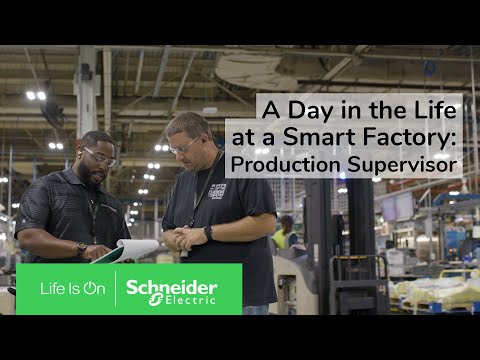
The production supervisor walks the line at 6:50, ten minutes before shift start, reading the handoff notes: line 2 ran slow overnight and quality flagged a seal issue on the packaging machine. The morning huddle assigns stations and covers one safety point, then the supervisor is in constant circulation — clearing a material shortage, coaching an operator through a changeover, and pulling a sample when the seal issue resurfaces. A maintenance call at 11 becomes a decision: run degraded or stop the line, and the supervisor stops it, eating an hour to save a shift. The afternoon is output numbers, an accident-free-days board update, and notes for the next shift — the plant's memory lives in those notes.
Tasks at the job
- Read and analyze charts, work orders, production schedules, and other records and reports to determine production requirements and to evaluate current production estimates and outputs.
- Confer with management or subordinates to resolve worker problems, complaints, or grievances.
- Calculate labor and equipment requirements and production specifications, using standard formulas.
- Maintain operations data, such as time, production, and cost records, and prepare management reports of production results.
- Plan and develop new products and production processes.
- Enforce safety and sanitation regulations.
Workplace & working conditions
Work happens indoors, though not always in a climate-controlled space, and most of the day is spent on your feet. Noise levels can be distracting or uncomfortable. The role involves regular exposure to hazardous equipment or conditions and contaminants, and standard protective equipment (gloves, safety glasses, and similar) is expected.
The pace is often fast, with real time pressure to meet deadlines, and you're expected to exercise significant independent judgment day to day. The work is highly structured, following set procedures. You'll regularly deal with frustrated or upset people as part of the job, and almost all of the work is done as part of a team.
Education necessary or common
Vocational training, apprenticeship, or associate's degree
Licenses & certifications
- OSHA 30
- MSSC Certified Production Technician
- Lean/Six Sigma Yellow or Green Belt
- First Aid/CPR
Career path
Related fields
Courses to take
- Business Math — output rates, scrap percentages, and staffing math
- Physics — machines, forces, and processes
- Computer Applications — production systems track everything
- Public Speaking — huddles and coaching are daily
- Chemistry — process industries reward understanding the reactions
Clubs, activities & competitions
- SkillsUSA manufacturing and leadership events
- A part-time job in any production-like environment (kitchen line, print shop)
- Robotics club — machines plus teamwork
- Team captain roles
First steps you can take now
- Tour a manufacturing plant (October's Manufacturing Day opens doors nationwide)
- Get OSHA 10 General Industry certified online
- Work any job with a production rhythm and study how the best leads run it
- Learn what lean manufacturing means from free intro videos