Photo: AlejandroLinaresGarcia (CC BY-SA 3.0)
Job description
A specialist examines a client's skin under a magnifying lamp to assess its condition, then cleanses it with water, creams, or lotions and applies treatments like chemical peels to reduce fine lines or age spots. Beyond the hands-on treatment, the job includes sterilizing equipment between clients, keeping records of preferences and services provided, and recommending an ongoing skincare regimen. Electrologists and laser hair removal specialists fall under this same umbrella, working with more specialized equipment toward similar goals.
Pros
- Faster than average projected job growth (6.7% over the next decade)
- Pay tops out above $82k, strong upside reachable via vocational training
- Standard, predictable full-time-range hours (30-40/week) in a climate-controlled setting
Cons
- Entry-level pay can be quite low before building a steady client base
- Requires ongoing precision with treatments like chemical peels affecting client outcomes
- Relatively small nationwide job count (about 14,500 positions)
A typical day
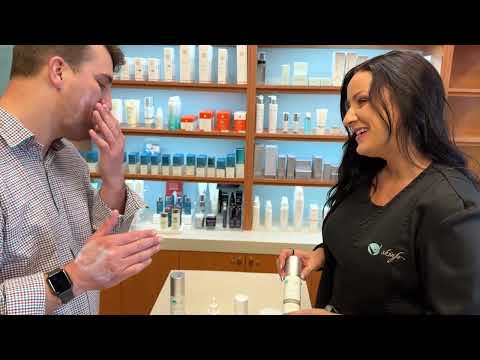
The treatment room is prepped by 9am — linens fresh, steamer warming, products staged — and the first client's facial starts with the skin analysis under the mag lamp: dehydration masquerading as oiliness, a common misread the esthetician corrects with product education worth more than the treatment itself. The morning holds a chemical peel (patch-tested, timed precisely, neutralized exactly) and a brow wax between longer bookings. The afternoon's dermaplaning client books her next visit before leaving — retention is the business — and a teenage acne consult gets honest guidance and a referral cue for what needs a dermatologist instead. Between clients: sanitation protocols done fully, retail restocked, and Instagram content posted, because the modern esthetician's book is built online. Hands, science, and trust.
Tasks at the job
- Sterilize equipment and clean work areas.
- Examine clients' skin, using magnifying lamps or visors when necessary, to evaluate skin condition and appearance.
- Cleanse clients' skin with water, creams, or lotions.
- Demonstrate how to clean and care for skin properly and recommend skin-care regimens.
- Keep records of client needs and preferences and the services provided.
- Apply chemical peels to reduce fine lines and age spots.
Workplace & working conditions
Work happens indoors in a climate-controlled setting, and you work in close physical proximity to coworkers or the public for much of the shift.
You're expected to exercise significant independent judgment day to day. Almost all of the work is done as part of a team.
Education necessary or common
Vocational training, apprenticeship, or associate's degree
Licenses & certifications
- State esthetician license (the required credential)
- Advanced/master esthetician license (some states)
- Certified laser technician (later, where regulated)
Career path
Related fields
Courses to take
- Chemistry — product ingredients and reactions are daily material
- Biology/Anatomy — skin is an organ; treat it knowledgeably
- Health — sanitation and safety foundations
- Business/Entrepreneurship — many estheticians rent booths or own studios
- Art — aesthetic judgment and makeup crossover
Clubs, activities & competitions
- Cosmetology/esthetics CTE program if offered
- SkillsUSA — esthetics competitions exist
- HOSA — for the medical-esthetics-curious
- A retail job at a beauty counter — product knowledge practice
First steps you can take now
- Look up your state's esthetician license hours and school options
- Build a disciplined personal skincare routine and learn the ingredient science behind it
- Follow licensed estheticians who teach the science, not just trends
- Ask a local spa if you can observe or work the front desk