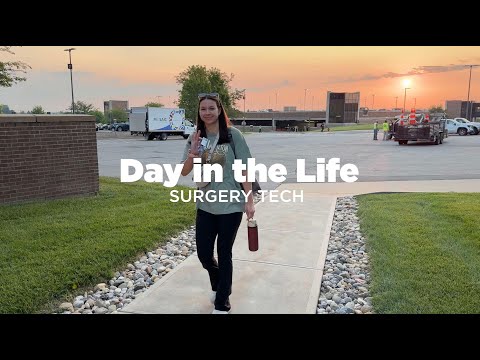
Photo: John Crawford (Photographer) (Public domain)
Job description
The job starts before the surgeon ever picks up a scalpel: positioning the patient, draping them in sterile covering, and laying out instruments and supplies for easy reach. Once the procedure is underway, technologists hand over tools, hold retractors, cut sutures, and keep a running count of every sponge, needle, and instrument so nothing gets left behind. Between cases, equipment has to be washed and sterilized, and throughout the day technologists stay alert to the whole room, patient and surgical team alike, since mistakes in a sterile environment can carry serious consequences.
Pros
- Solid pay ceiling (up to $97k) reachable with just vocational training or an associate's degree
- Faster than average projected growth (4.5%) with steady demand across hospitals and surgery centers
- Hands-on role at the center of the operating room, working directly alongside surgeons
Cons
- Mistakes can have serious consequences, requiring constant precision under real time pressure
- Long shifts spent entirely on your feet in a tightly controlled, sterile environment
- Regular exposure to hazardous equipment, sharp instruments, and contaminants during procedures
A typical day
Arrival is 6:30am to open the OR: instrument sets checked against the case cart, sterile field draped, and every item counted with the circulating nurse before the patient rolls in. During surgery the tech is the surgeon's hands-length partner -- passing instruments a beat before they're asked for, loading suture, and guarding the sterile field like a hawk. The final count before closing is non-negotiable; a missing sponge stops everything. Turnover between cases is fast and exact, and by mid-afternoon three patients have passed safely through the room the tech set up.
Tasks at the job
- Maintain a proper sterile field during surgical procedures.
- Count sponges, needles, and instruments before and after operation.
- Prepare patients for surgery, including positioning patients on the operating table and covering them with sterile surgical drapes to prevent exposure.
- Hand instruments and supplies to surgeons and surgeons' assistants, hold retractors and cut sutures, and perform other tasks as directed by surgeon during operation.
- Wash and sterilize equipment, using germicides and sterilizers.
- Monitor and continually assess operating room conditions, including patient and surgical team needs.
Workplace & working conditions
Work happens indoors in a climate-controlled setting, and most of the day is spent on your feet, and you work in close physical proximity to coworkers or the public for much of the shift. The role involves regular exposure to hazardous equipment or conditions and contaminants, and specialized protective equipment is standard.
There's a regular, moderate amount of time pressure, and decisions come up constantly and often need to be made quickly. Mistakes can have serious consequences, so accuracy matters a lot. Almost all of the work is done as part of a team.
Education necessary or common
Vocational training, apprenticeship, or associate's degree
Licenses & certifications
- CST (Certified Surgical Technologist)
- BLS certification
Career path
Related fields
Courses to take
- Anatomy & Physiology -- instruments follow anatomy
- AP Biology -- microbiology underlies sterile technique
- Health -- medical terminology fluency
- Chemistry -- solutions, meds, and sterilization science
- Physical education -- hours of standing focus
Clubs, activities & competitions
- HOSA -- has surgical technology competitive events specifically
- Hospital volunteering
- CPR/First aid certification through school
- Precision crafts -- speed and accuracy with your hands
First steps you can take now
- Get BLS/CPR certified
- Tour an accredited surgical technology program -- many are two-year associate degrees
- Watch a full narrated surgery video and learn ten instrument names
- Job-shadow in a sterile processing department if the OR itself is off-limits