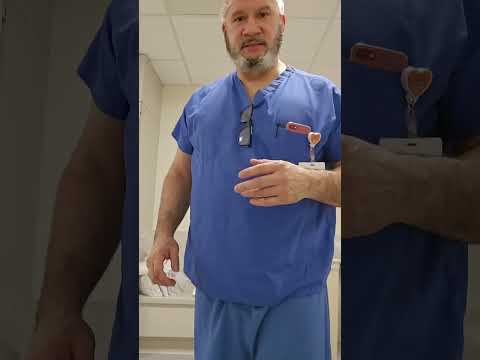
Photo: Ibrahim Achiri (CC BY-SA 4.0)
Job description
A shift centers on operating steam autoclaves to sterilize instruments, then assembling surgical trays and other sterile supplies for specific procedures or requests. Preparers also inspect equipment for leaks, worn parts, or other signs of disrepair, track inventory so instruments and supplies don't run short, and keep crash carts stocked and ready. It's fast-paced, mostly-on-your-feet work in a climate-controlled setting, with real exposure to hazardous materials and equipment, so specialized protective gear is standard rather than optional.
Pros
- Much faster than average projected growth (10%), a strong outlook for an entry-level role
- Low barrier to entry, just a high school diploma with on-the-job training needed
- Steady behind-the-scenes healthcare work with less direct patient-facing pressure than clinical roles
Cons
- Regular exposure to hazardous equipment and contaminants requires specialized protective gear
- Fast pace with real time pressure, since operating rooms depend on sterilized equipment being ready on schedule
- On-your-feet physical work handling and inspecting equipment for wear or malfunction all shift
A typical day
The shift starts in the decontamination room, gowned and gloved, running used surgical instruments through washers and inspecting each one for debris under magnification. Mid-morning is assembly: rebuilding instrument trays screw by screw against a count sheet, wrapping them, and loading the steam sterilizers. Every load gets a biological indicator, and checking yesterday's results is a non-negotiable first task after lunch. The afternoon rush comes when the OR calls for a rush tray turnaround between cases — sterile processing sets the pace of surgery more than most people ever realize.
Tasks at the job
- Operate and maintain steam autoclaves, keeping records of loads completed, items in loads, and maintenance procedures performed.
- Clean instruments to prepare them for sterilization.
- Organize and assemble routine or specialty surgical instrument trays or other sterilized supplies, filling special requests as needed.
- Examine equipment to detect leaks, worn or loose parts, or other indications of disrepair.
- Maintain records of inventory or equipment usage and order medical instruments or supplies when inventory is low.
- Stock crash carts or other medical supplies.
Workplace & working conditions
Work happens indoors in a climate-controlled setting, and most of the day is spent on your feet, and you work in close physical proximity to coworkers or the public for much of the shift. Noise levels can be distracting or uncomfortable. The role involves regular exposure to hazardous equipment or conditions and contaminants, and specialized protective equipment is standard.
The pace is often fast, with real time pressure to meet deadlines, and you're expected to exercise significant independent judgment day to day. Precision and accuracy are essential to the work. You'll regularly deal with frustrated or upset people as part of the job.
Education necessary or common
High school diploma; some on-the-job training or apprenticeship
Licenses & certifications
- Certified Registered Central Service Technician (CRCST) from HSPA
- Certified Sterile Processing and Distribution Technician (CSPDT)
Career path
Related fields
Courses to take
- Biology — microbiology basics explain why every step of sterilization exists
- Chemistry — detergents, disinfectants, and sterilants are applied chemistry
- Health Science or Medical Careers CTE courses — clinical workflow and terminology
- Anatomy and Physiology — knowing procedures helps you know the instruments
Clubs, activities & competitions
- HOSA-Future Health Professionals — exposure to hospital careers and competitions
- Volunteer at a hospital — ask to see the sterile processing department on a tour
- Part-time job requiring careful, repeatable procedure (food service sanitation counts more than you'd think)
- Science Olympiad — Disease Detectives builds infection-control thinking
First steps you can take now
- Ask a hospital's sterile processing manager for a department tour — most people have never seen this hidden engine of surgery
- Look up the HSPA certification pathway; some students certify within months of finishing high school
- Get comfortable with checklists: practice building something complex from a count sheet without skipping steps
- Take any infection-control or bloodborne-pathogens training your school or Red Cross chapter offers