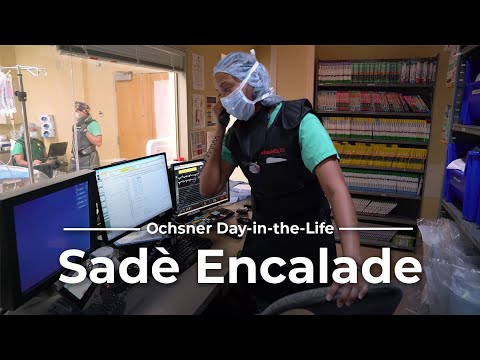
Photo: U.S. Navy photo by Airman 1st Class Benjamin Stratton (Public domain)
Job description
Technologists operate specialized electronic equipment to record a patient's cardiac activity through EKGs, phonocardiograms, echocardiograms, or stress tests, then monitor blood pressure and heart rate throughout the procedure and flag anything abnormal to the physician. A good part of the job is patient-facing: explaining what a test involves to ease anxiety, positioning patients correctly, and keeping them comfortable and safe throughout. The pace is often fast with real time pressure, and decisions about a patient's condition can come up suddenly and need quick judgment. Nearly all of the work happens as part of a care team, in close physical proximity to patients and colleagues throughout the shift.
Pros
- High upside earning potential, up to $121,350 without needing a four-year degree
- Faster than average projected job growth (3% over the next decade)
- Direct, hands-on patient care using specialized diagnostic equipment like EKG and echocardiogram machines
Cons
- Fast-paced work where decisions about patient safety often need to be made quickly
- Regularly deals with frustrated or anxious patients undergoing tests
- Requires close physical proximity to patients for much of the shift in a clinical environment
A typical day
The echo lab's first patient arrives at 8: the technologist works the ultrasound probe across the chest wall like a practiced instrument, chasing the parasternal long axis view, freezing loops, measuring chambers and flows — thirty minutes of physics, anatomy, and patient reassurance produced into a study a cardiologist will read within the hour. The morning's schedule alternates echos with stress tests, where the tech runs the treadmill protocol, watches the EKG for the changes that mean stop, and keeps a winded patient safe and encouraged. A cath-lab-based version of this career spends the same hours scrubbed in — passing catheters, monitoring pressures, panning the imaging table during a stent. Afternoon adds Holter monitors hooked and downloaded, and vascular studies mapping leg arteries with Doppler sound. Patient contact all day, cardiology's front line of data.
Tasks at the job
- Conduct electrocardiogram (EKG), phonocardiogram, echocardiogram, stress testing, or other cardiovascular tests to record patients' cardiac activity, using specialized electronic test equipment, recording devices, or laboratory instruments.
- Explain testing procedures to patients to obtain cooperation and reduce anxiety.
- Monitor patients' blood pressure and heart rate using electrocardiogram (EKG) equipment during diagnostic or therapeutic procedures to notify the physician if something appears wrong.
- Obtain and record patient identification, medical history, or test results.
- Monitor patients' comfort and safety during tests, alerting physicians to abnormalities or changes in patient responses.
- Prepare and position patients for testing.
Workplace & working conditions
Work happens indoors in a climate-controlled setting, and you work in close physical proximity to coworkers or the public for much of the shift. Standard safety equipment like gloves or safety glasses is commonly worn.
The pace is often fast, with real time pressure to meet deadlines, and decisions come up constantly and often need to be made quickly. Precision and accuracy are essential to the work. You'll regularly deal with frustrated or upset people as part of the job, and almost all of the work is done as part of a team.
Education necessary or common
Vocational training, apprenticeship, or associate's degree
Common college majors
Licenses & certifications
- RDCS or RCS (echo registry credentials)
- RCIS (invasive/cath lab registry)
- BLS/ACLS
Career path
Related fields
Courses to take
- Anatomy & Physiology — the heart, in detail, is the daily terrain
- AP Biology
- Physics — ultrasound is applied physics you'll steer by hand
- Algebra II
- Health Science / medical pathway courses
Clubs, activities & competitions
- HOSA — Future Health Professionals
- Hospital volunteering — ask for cardiology or diagnostic areas
- Science Olympiad Anatomy events
- Sports medicine aide program
First steps you can take now
- Get CPR/BLS certified
- Shadow an echo tech or cath lab team — hospitals with student programs can often arrange it
- Learn the heart's chambers, valves, and flow path until you can draw it from memory
- Look up CAAHEP-accredited cardiovascular technology programs and their prerequisites