Photo: USDAgov (Public domain)
Job description
Getting a usable image is as much a skill as reading one: sonographers adjust equipment settings and reposition patients to find the clearest angle on an organ, blood vessel, or area of concern, then judge in real time which images actually belong in the final report. Patient care runs alongside the technical side, keeping someone comfortable and safe through an exam, sometimes while sensing that something looks wrong before a physician even sees the scan. The pace tends to be brisk, with a full schedule of exams each day, but there's real room for independent judgment about what a physician needs to see. It's typically a vocational or associate's-degree field, and it's projected to grow at a strong clip (around 13%), among the faster-growing roles in this batch.
Pros
- Strong pay ($68k-$129k) with only an associate's degree or vocational training required
- Much faster than average projected growth (13% over the next decade)
- Standard, predictable hours (30-40/week) compared to many clinical roles
Cons
- Fast pace with real-time pressure to capture usable diagnostic images the first time
- Job requires sound clinical judgment on which images to keep, not just equipment operation
- Constant close physical contact with patients, including those in pain or distress
A typical day
The first patient at 7:30 is an obstetric anatomy scan — forty-five minutes of systematic imaging where the sonographer sweeps the transducer through a practiced sequence, measuring, documenting, and adjusting settings to pull a diagnostic image out of a moving target, all while managing the parents' excitement and, when something looks concerning, a poker face that protects them until the physician reads the study. The day's worklist mixes modalities: an abdominal scan hunting gallstones, a vascular study mapping blood flow with Doppler, a thyroid nodule measured against its prior. Every study ends with a technical summary for the radiologist — the sonographer's findings are the physician's first draft. The physical craft is real: probe pressure, patient positioning, and the ergonomics that protect a career-long shoulder.
Tasks at the job
- Observe screen during scan to ensure that image produced is satisfactory for diagnostic purposes, making adjustments to equipment as required.
- Observe and care for patients throughout examinations to ensure their safety and comfort.
- Provide sonogram and oral or written summary of technical findings to physician for use in medical diagnosis.
- Select appropriate equipment settings and adjust patient positions to obtain the best sites and angles.
- Operate ultrasound equipment to produce and record images of the motion, shape, and composition of blood, organs, tissues, or bodily masses, such as fluid accumulations.
- Decide which images to include, looking for differences between healthy and pathological areas.
Workplace & working conditions
Work happens indoors in a climate-controlled setting, and you work in close physical proximity to coworkers or the public for much of the shift. Standard safety equipment like gloves or safety glasses is commonly worn.
The pace is often fast, with real time pressure to meet deadlines, and you're expected to exercise significant independent judgment day to day. Precision and accuracy are essential to the work. You'll regularly deal with frustrated or upset people as part of the job, and almost all of the work is done as part of a team.
Education necessary or common
Vocational training, apprenticeship, or associate's degree
Common college majors
Licenses & certifications
- ARDMS registry (RDMS, RVT specialties)
- CPR/BLS
- State licensure where required
Career path
Related fields
Courses to take
- AP Biology — anatomy is the daily terrain
- Anatomy & Physiology — the most directly relevant course offered
- AP Physics — ultrasound is applied wave physics
- Health Science electives — patient care and terminology
- English — technical summaries for physicians
Clubs, activities & competitions
- HOSA (Future Health Professionals)
- Hospital volunteering — imaging departments when possible
- Science Olympiad anatomy events
- Sports medicine aide
First steps you can take now
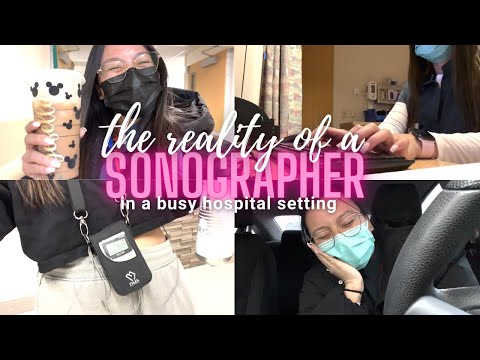
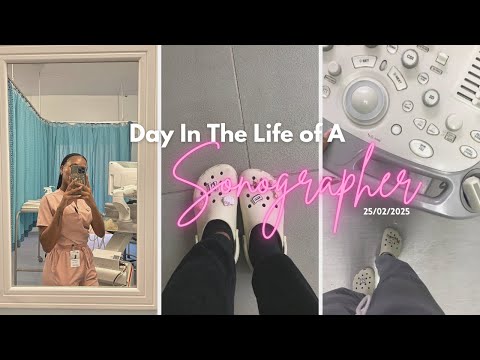
- Watch real sonography training videos to see the hand-eye skill involved
- Shadow a sonographer through a hospital program
- Research CAAHEP-accredited sonography programs and their prerequisites
- Get CPR certified