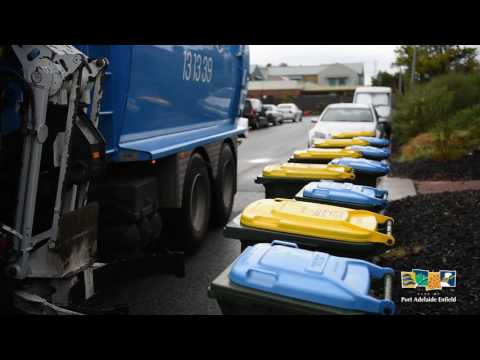
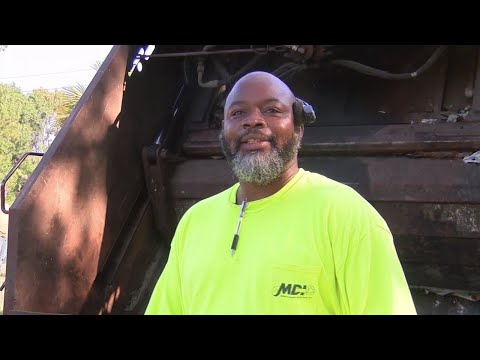
Photo: Minette Lontsie (CC BY-SA 4.0)
Job description
Before heading out, collectors inspect the truck to make sure it's safe to operate and fill out reports on any defective equipment they find. On the route, they operate hoisting devices that lift and dump bins into the truck body, driving through residential streets, alleys, or industrial areas according to a set schedule. At the end of a shift, the truck gets cleaned out and refueled, ready for the next day, all of it outdoor work exposed to weather and the noise and mess that come with the job.
Pros
- Pay can climb to nearly $76k at the top of the range, well above many entry-level trades
- Only a high school diploma and on-the-job training are required to start
- Physically active outdoor role without the fast, high-pressure pace of some trades
Cons
- Above-average hours, often exceeding a standard 40-hour work week
- Slower than average projected job growth (0.9%) limits new openings
- Regular exposure to weather, hazardous equipment, and contaminants on the job
A typical day
The route starts in the dark — 5am at the yard for the pre-trip inspection: brakes, hydraulics, lights, because the truck is a 30-ton machine that works in neighborhoods full of kids and parked cars. By 6 the collector is running the route rhythm: curb, cart, lift, repeat, hundreds of stops with a mental map of every tricky alley and low wire. On a rear-loader route it's physical — hopping off, tipping cans, watching traffic that too often doesn't watch back. A hydraulic line weeps mid-morning; a call to the shop and a workaround keep the route alive. The day ends early by design, truck dumped, washed, and staged — one of the trade's quiet perks.
Tasks at the job
- Inspect trucks prior to beginning routes to ensure safe operating condition.
- Fill out defective equipment reports.
- Operate automated or semi-automated hoisting devices that raise refuse bins and dump contents into openings in truck bodies.
- Clean trucks or compactor bodies after routes have been completed.
- Drive trucks, following established routes, through residential streets or alleys or through business or industrial areas.
- Refuel trucks or add other fluids, such as oil or brake fluid.
Workplace & working conditions
Work happens primarily outdoors, exposed to whatever the weather is doing. Noise levels can be distracting or uncomfortable. The role involves regular exposure to hazardous equipment or conditions and contaminants, and standard protective equipment (gloves, safety glasses, and similar) is expected.
There's a regular, moderate amount of time pressure.
Education necessary or common
High school diploma; some on-the-job training or apprenticeship
Licenses & certifications
- CDL Class B (the pay-raising credential)
- OSHA 10
Related fields
Courses to take
- Driver's Education — a clean record leads to the CDL that raises pay
- Physical Education — genuine daily physical demands
- Shop — hydraulics and truck systems literacy
- Consumer Math — route and load paperwork
Clubs, activities & competitions
- Team sports — physical conditioning
- A physically demanding part-time job
- Auto shop club
First steps you can take now
- Keep your driving record spotless — the CDL path depends on it
- Build functional fitness: lifting form matters when you lift all day
- At 18, look at municipal and private hauler (WM, Republic) helper jobs — many fund CDL training
- Learn CDL basics with free study apps now