Photo: AlphaLemur (CC0)
Job description
A typical week mixes desk work, logging materials received and shipped, reviewing service requests, with fieldwork supervising recycling technicians and volunteers on pick-up and drop-off routes. Coordinators also train staff on safety and sorting procedures and periodically research new materials or partnerships to expand what a program can collect. The role is usually based within a municipal public works department or a private waste-management contractor, and it involves plenty of time outdoors overseeing operations directly.
Pros
- Supervisory role with real independent judgment over community recycling programs
- Entry with just a high school diploma and on-the-job training
- Varied work mixing outdoor fieldwork, staff training, and program oversight
Cons
- Above-average hours, often exceeding a standard 40-hour work week
- Outdoor work exposed to weather, noise, and hazardous conditions
- Frequent contact with frustrated residents or contractors over service issues
A typical day
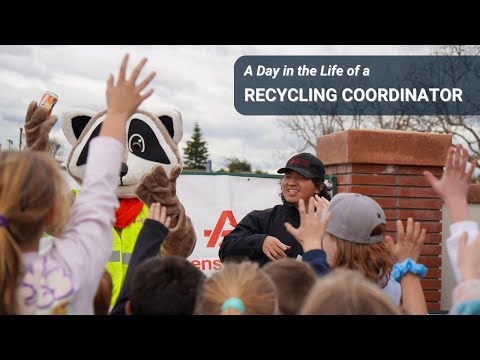
The coordinator's morning starts with route data: two collection trucks reported heavy contamination on the north side, so the day's plan now includes pulling addresses for a targeted mailer and scheduling an outreach table at the neighborhood market. Mid-morning is a processing-contract call — the recycler wants to stop accepting glass, which would ripple through the whole program — followed by budget work on the annual report the city council will scrutinize. The afternoon holds a school visit, teaching fourth graders the sorting game the coordinator designed, then a walk-through of the drop-off center where an overflowing cardboard bin needs a hauling schedule fix. Policy, logistics, and education, all before five.
Tasks at the job
- Maintain logs of recycling materials received or shipped to processing companies.
- Supervise recycling technicians, community service workers, or other recycling operations employees or volunteers.
- Review customer requests for service to determine service needs and deploy appropriate resources to provide service.
- Provide training to recycling technicians or community service workers on topics such as safety, solid waste processing, or general recycling operations.
- Identify or investigate new opportunities for materials to be collected and recycled.
- Oversee recycling pick-up or drop-off programs to ensure compliance with community ordinances.
Workplace & working conditions
Work happens primarily outdoors, exposed to whatever the weather is doing. Noise levels can be distracting or uncomfortable. The role involves regular exposure to hazardous equipment or conditions and contaminants, and standard protective equipment (gloves, safety glasses, and similar) is expected.
There's a regular, moderate amount of time pressure, and you're expected to exercise significant independent judgment day to day. The work is highly structured, following set procedures. You'll regularly deal with frustrated or upset people as part of the job, and almost all of the work is done as part of a team.
Education necessary or common
High school diploma; some on-the-job training or apprenticeship
Licenses & certifications
- SWANA certifications (solid waste industry)
- OSHA 10
Career path
Related fields
Courses to take
- Environmental Science — the field's foundation
- Business/Economics — recycling programs live and die on commodity markets and budgets
- English — public outreach writing and reports
- Consumer Math — tonnage, costs, and diversion rates
- Speech — community presentations are routine
Clubs, activities & competitions
- Environmental club — lead a real waste-reduction campaign at school
- Student government — budget and program experience
- Envirothon
- Volunteer at community cleanup or e-waste collection events
First steps you can take now
- Run a waste audit at your school: sort one day's trash and publish what you find
- Interview your city's recycling or solid-waste coordinator
- Volunteer at a local household-hazardous-waste or e-waste event
- Design one piece of outreach — a flyer or video — that explains a common recycling mistake