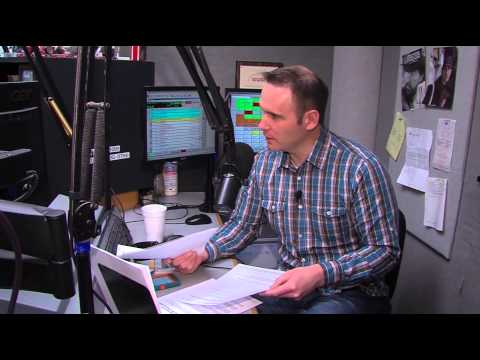
Photo: Andwhatsnext, aka Nancy J Price - http://andwhatsnext.com/bands (CC BY-SA 3.0)
Job description
On a music station, a DJ operates the control console, queues songs, and banters with listeners while taking requests; on a news or talk station, the same skill set shifts toward reading news flashes and delivering reports that have to be rewritten on the fly to fit a specific time slot. Much of the prep work, gathering material and tightening scripts, happens before the microphone ever goes live, often in coordination with producers who help shape what airs. The job runs on tight deadlines and requires quick, confident delivery, plus the composure to keep a show moving when something goes wrong on air. A bachelor's degree is the typical path in, often paired with on-air experience built at a college or local station.
Pros
- High upside earning potential, up to $138,440 at the top of the range
- Creative, varied on-air work spanning music, news, commercials, and interviews
- A bachelor's degree is enough to enter, no advanced credential required
Cons
- Employment is projected to shrink over the next decade (-5.5%)
- Entry-level pay can be quite low before landing a larger market or station
- A relatively small number of positions nationwide, so opportunities may be geographically limited
A typical day
The alarm rings at 3:40am because morning drive starts at 5:30, and the first hour at the station is show prep: overnight news scanned, local angles found, a listener contest queued, tomorrow's guest confirmed. On air, the job looks effortless by design — back-announcing songs, riffing with the co-host, hitting the traffic and weather beds to the second — while hands run the board and eyes watch the clock's tyranny. Between talk breaks come the unseen tasks: recording a car-dealer commercial, cutting a promo, posting show clips to socials because the station's audience lives there too. A remote broadcast from a grand opening fills the afternoon. The voice is the instrument; the discipline is sounding fresh on four hours of sleep, daily.
Tasks at the job
- Operate control consoles.
- Record commercials for later broadcast.
- Announce musical selections, station breaks, commercials, or public service information, and accept requests from listening audience.
- Read news flashes to inform audiences of important events.
- Prepare and deliver news, sports, or weather reports, gathering and rewriting material so that it will convey required information and fit specific time slots.
- Select program content, in conjunction with producers and assistants, based on factors such as program specialties, audience tastes, or requests from the public.
Workplace & working conditions
Work happens indoors in a climate-controlled setting, and most of the day is spent sitting at a desk.
The pace is often fast, with real time pressure to meet deadlines, and you're expected to exercise significant independent judgment day to day. Precision and accuracy are essential to the work, and the work is highly structured, following set procedures. You'll regularly deal with frustrated or upset people as part of the job, and almost all of the work is done as part of a team.
Education necessary or common
Bachelor's degree
Common college majors
Career path
Related fields
Courses to take
- Public Speaking — the voice and presence fundamentals
- Journalism — writing for the ear starts with writing
- AP English Language
- Drama — performance energy and improvisation
- Video/Audio Production
Clubs, activities & competitions
- School morning announcements — claim the microphone
- Broadcast or podcast club
- School newspaper
- Emcee school events, games, and assemblies
- Speech and debate (radio broadcasting events exist in some leagues)
First steps you can take now
- Start a podcast or radio-style show this month and publish ten episodes — consistency is the credential
- Volunteer at a community or college radio station; many welcome high schoolers
- Record yourself reading news copy daily for two weeks and critique the playback
- Air-check a professional: transcribe one great radio break and study its structure