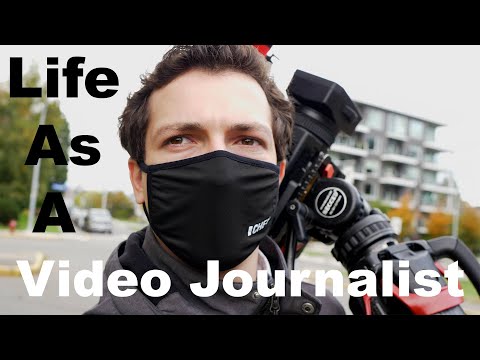
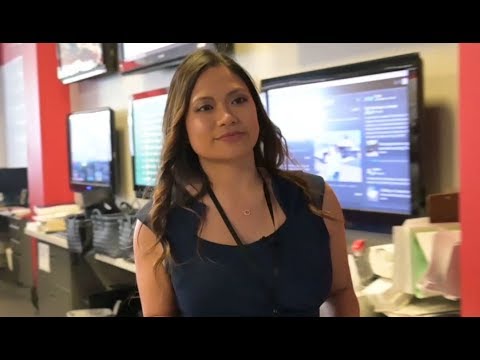
Photo: Young-Jae Kim (CC BY-SA 3.0)
Job description
The work starts with chasing down a story: evaluating tips, researching background, and interviewing sources, then shaping what's found into a script, column, or broadcast segment on deadline. Some journalists specialize in live reporting or anchoring, coordinating closely with editorial staff on which stories matter and how to frame them accurately. The pace is fast and structured around daily or hourly deadlines, with real judgment calls about what to cover and how. A bachelor's degree is standard, and pay varies widely by market and medium, from around $36,000 up to $144,000, in an industry where overall job counts have been shrinking as media consumption shifts online.
Pros
- High upside earning potential, up to $144,140 for experienced reporters and anchors
- A bachelor's degree is the standard entry credential, no advanced degree required
- Constant variety, researching and telling different stories rather than repetitive tasks
Cons
- Above-average hours, expect more than a standard 40-hour work week
- Employment is projected to shrink over the next decade (-3.9%)
- Fast-paced work with real deadline pressure and a need for constant accuracy
A typical day
The 9am editorial meeting sets the day's assignments, and today's is a city council vote on a housing development that neighbors are fighting. The morning is reporting: pulling the planning documents, calling the developer, the council sponsor, and two residents — always both sides, always on the record where possible. A quick lunch happens over a records request follow-up, because the interesting story is usually in the documents someone didn't want to release. The council meeting runs 2 to 4, the reporter live-tweeting key moments while taking notes for the full piece. Writing happens against a 6pm deadline: lede rewritten three times, every quote checked against the recording, a headline argued over with an editor. The story posts, and the phone buzzes with reaction — tomorrow's follow-up is already forming.
Tasks at the job
- Write commentaries, columns, or scripts, using computers.
- Coordinate and serve as an anchor on news broadcast programs.
- Examine news items of local, national, and international significance to determine topics to address, or obtain assignments from editorial staff members.
- Analyze and interpret news and information received from various sources to broadcast the information.
- Receive assignments or evaluate leads or tips to develop story ideas.
- Research a story's background information to provide complete and accurate information.
Workplace & working conditions
Work happens indoors in a climate-controlled setting, and most of the day is spent sitting at a desk.
The pace is often fast, with real time pressure to meet deadlines, and you're expected to exercise significant independent judgment day to day. Precision and accuracy are essential to the work, and the work is highly structured, following set procedures.
Education necessary or common
Bachelor's degree
Common college majors
Career path
Related fields
Courses to take
- Journalism — the craft, learned by publishing
- AP English Language and Composition — clear, fast, structured writing
- AP US Government — most news runs through civic institutions
- AP Statistics — data journalism and reading studies without being fooled
- Broadcast or Digital Media courses — the modern reporter files in every format
Clubs, activities & competitions
- School newspaper — become an editor, cover real controversies carefully
- Student press associations and contests (JEA/NSPA, Quill and Scroll)
- A personal beat: cover local sports or your school board for a community outlet
- Debate — thinking and asking questions under pressure
First steps you can take now
- Report one real story this month — interview three sources, write it, and publish it somewhere
- Attend a public meeting (school board, city council) and write it up straight
- Read your local paper daily and reverse-engineer one story: who did the reporter call, and why?
- Cold-email a working reporter to ask about their path — journalists answer curious students