Photo: U.S. Air Force photo by Staff Sgt. Kevin Ray Salvador (Public domain)
Job description
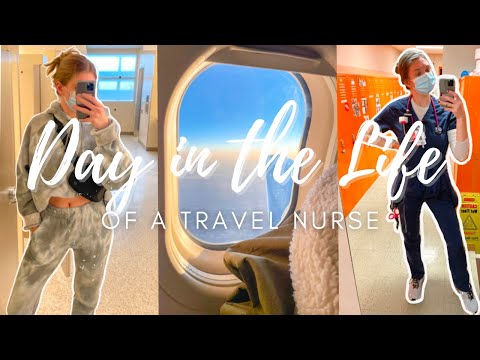
Each contract means walking into a new hospital or clinic and getting up to speed fast: administering medications, monitoring vitals, and coordinating care with minimal orientation time. Nurses have to learn a new facility's electronic records system and protocols almost immediately, document care accurately within it, and communicate patient status to physicians across shifts, all while handling emergencies in what are often understaffed, fast-paced units. The tradeoff for the instability of relocating every couple of months is pay that runs well above a comparable staff nursing role, often with a housing stipend included. It suits nurses who already have a year or two of clinical experience and are comfortable with frequent moves and minimal ramp-up time.
Pros
- High upside earning potential, up to $150k
- Strong pay even at the entry level, often with added housing stipends
- Opportunity to work in hospitals nationwide and gain varied clinical experience
Cons
- Above-average hours, expect more than a standard 40-hour work week
- Requires relocating every eight to thirteen weeks, disrupting stability and routine
- Must adapt quickly to a new facility's systems and team with minimal orientation each contract
A typical day
Week two of a 13-week contract in a new city, and the 6:45am huddle still involves learning names -- but the med-surg unit's rhythm is already familiar, because that portability is the whole skill. The shift is standard nursing at full intensity: assessments, med passes, a deteriorating patient escalated fast, charting in an EHR learned in a two-day orientation. Lunch conversation doubles as intel-gathering on the unit's unwritten rules. After shift, the traveler's second job appears: recruiter texts about the next contract, housing decisions, and licensure paperwork for a compact state three time zones away.
Tasks at the job
- Provide direct patient care -- administering medications, monitoring vitals, and coordinating treatment -- at short-term hospital or clinic assignments.
- Adapt quickly to a new facility's systems, protocols, and staff each time a contract begins.
- Document patient care accurately according to each facility's electronic records system.
- Communicate patient status to physicians and coordinate care across shifts.
- Respond to emergencies and changes in patient condition in fast-paced clinical units.
- Relocate between assignments, often every eight to thirteen weeks, based on staffing needs.
Workplace & working conditions
Work happens in hospitals or clinics facing short-term staffing shortages, often in unfamiliar cities with a new physical layout and team each contract.
The pace is typically fast, especially in understaffed units, and requires quickly adapting to new procedures with minimal training time. The lifestyle demands flexibility and comfort with frequent relocation, alongside the same clinical precision and stakes as any bedside nursing role.
Education necessary or common
Registered Nurse (RN) license plus at least a year or two of clinical experience, since travel assignments expect you to ramp up quickly with minimal orientation
Common college majors
Licenses & certifications
- RN license (NCLEX-RN)
- Nurse Licensure Compact multistate license
- BLS/ACLS
Related fields
Courses to take
- AP Biology -- nursing school's foundation
- Anatomy & Physiology -- the daily working map
- AP Chemistry -- pharmacology's prerequisite
- AP Psychology -- patients and teams under stress
- AP Statistics -- evidence-based practice
Clubs, activities & competitions
- HOSA -- the health-careers pipeline organization
- Hospital or clinic volunteering
- CNA certification through a high school program if offered
- Red Cross youth programs
First steps you can take now
- Get CPR/BLS certified now
- Volunteer in a hospital and watch how nurses run a shift
- Look into CNA programs for high schoolers -- direct patient-care experience early
- Map the honest path: BSN, NCLEX, then two years of staff experience before traveling