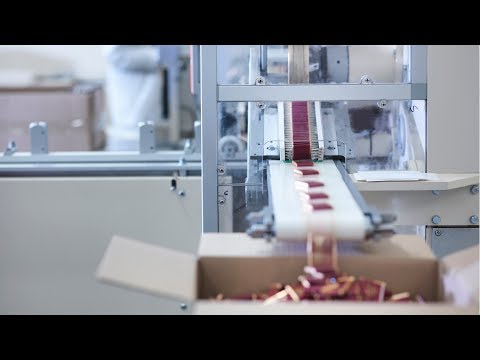
Photo: Sammutawe (CC BY-SA 4.0)
Job description
Operators start machines and adjust tension, synchronize component speed, and control the temperature of glue or paraffin as each job requires, then watch closely for malfunctions like improper forming or uneven glue flow. When equipment breaks down, they often disassemble it themselves to repair or replace worn parts with hand or power tools rather than waiting on a separate maintenance crew. The pace is fast with decisions needed quickly, and the work is done almost entirely as part of a team.
Pros
- Over 8,100 positions nationwide, a fairly established production niche
- Pay can reach over $70k with experience
- Team-based work environment rather than working in isolation
Cons
- Employment projected to shrink over the next decade (-6.3%)
- Fast-paced work requiring quick decisions under real production pressure
- Regular exposure to noise and hazardous equipment on the shop floor
A typical day
The corrugator control room hums at 7am shift start: the operator reviews the day's order list — three box grades, two liner weights — and threads the machine for the first run, steam showers and glue rolls tuned until the board comes off flat, bonded, and true. Downstream, the flexo folder-gluer needs its own setup: print plates mounted, slots and scores set to spec, and a first-article box folded and checked against the customer sample before the run of 40,000 begins. The morning's vigilance catches a warp trend early — a moisture balance tweak saves a pallet of scrap. After lunch a changeover to a die-cut job resets everything, and the operator troubleshoots a feeding hiccup with the maintenance tech. Waste percentages, counts, and downtime reasons get logged at shift's end. Every online order shipped tonight rides in something a crew like this made today.
Tasks at the job
- Examine completed work to detect defects and verify conformance to work orders, and adjust machinery as necessary to correct production problems.
- Observe operation of various machines to detect and correct machine malfunctions such as improper forming, glue flow, or pasteboard tension.
- Disassemble machines to maintain, repair, or replace broken or worn parts, using hand or power tools.
- Start machines and move controls to regulate tension on pressure rolls, to synchronize speed of machine components, and to adjust temperatures of glue or paraffin.
Workplace & working conditions
Work happens indoors, though not always in a climate-controlled space, and most of the day is spent on your feet. Noise levels can be distracting or uncomfortable. The role involves regular exposure to hazardous equipment or conditions and contaminants, and standard protective equipment (gloves, safety glasses, and similar) is expected.
The pace is often fast, with real time pressure to meet deadlines, and decisions come up constantly and often need to be made quickly. Almost all of the work is done as part of a team.
Education necessary or common
High school diploma; some on-the-job training or apprenticeship
Licenses & certifications
- OSHA 10 (general industry)
- Forklift certification
Related fields
Courses to take
- Machine Shop or Manufacturing CTE courses — machine setup and mechanical sense
- Algebra — speeds, counts, and waste-percentage math
- Chemistry — adhesives, moisture, and paper behavior
- Physics — tension, heat, and web handling
- Computer Applications — machine interfaces and production systems
Clubs, activities & competitions
- SkillsUSA — manufacturing competitions
- FIRST Robotics — mechanical troubleshooting under pressure
- Any production or fast-paced line job experience
- Cardboard engineering for fun: build furniture-grade projects from corrugate
First steps you can take now
- Tour a box plant or paper converter if one operates nearby — corrugators are enormous and hiring
- Earn OSHA 10 general industry
- Learn how corrugated board is actually made (flutes, liners, grades) from industry videos
- Ask a plant about operator trainee pay and progression to lead operator