Photo: Markus Spiske (CC BY 2.0)
Job description
Making drinks is only part of the shift: baristas often serve food like baked goods or sandwiches, weigh and grind coffee beans for customers buying some to take home, and restock product displays as the day goes on. Most of the work happens on your feet in a fast-moving, customer-facing environment, standing close to coworkers and patrons while cleaning and sanitizing work areas between orders. It's typically an entry-level role learned on the job rather than through formal education, and it's one of the most common jobs in the country.
Pros
- Faster than average projected job growth (6.1% over the next decade)
- Very large nationwide job base, openings in nearly every area
- Hands-on craft element (grinding, weighing, preparing specialty drinks) beyond order-taking
Cons
- Limited upside on pay, with the top of the range under $43k
- Entry-level pay can be quite low
- Most of the shift spent on your feet in a noisy, high-traffic environment
A typical day
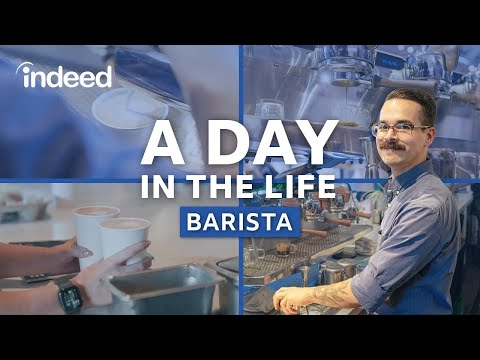
Opening shift means keys in the door at 5:30: espresso machine warmed and calibrated — the first shots get timed and tasted, grind adjusted until the extraction runs right — pastry case stocked, milk pitchers staged. The 7-8:30 rush is the job's cardio: a line out the door, orders stacked three deep, latte art poured anyway, names called with warmth that regulars return daily for. Mid-morning slows into restock, dishes, and the ballet of keeping a lobby clean while making drinks. A new hire shadows the afternoon shift and learns why milk texture is technique, not luck. The good baristas make a hundred small quality decisions a shift and make them look like nothing.
Tasks at the job
- Prepare or serve hot or cold beverages, such as coffee, espresso drinks, blended coffees, or teas.
- Clean or sanitize work areas, utensils, or equipment.
- Clean service or seating areas.
- Prepare or serve menu items, such as sandwiches or salads.
- Set up or restock product displays.
- Weigh, grind, or pack coffee beans for customers.
Workplace & working conditions
Work happens indoors in a climate-controlled setting, and most of the day is spent on your feet, and you work in close physical proximity to coworkers or the public for much of the shift. Noise levels can be distracting or uncomfortable.
You're expected to exercise significant independent judgment day to day. You'll regularly deal with frustrated or upset people as part of the job.
Education necessary or common
High school diploma; some on-the-job training or apprenticeship
Licenses & certifications
- Food handler's card
- SCA (Specialty Coffee Association) courses (optional, for the career path toward roasting/management)
Career path
Related fields
Courses to take
- Culinary or Food Science courses
- Chemistry — extraction is dissolved-solids chemistry
- Business math
- Public Speaking — the counter is a stage
Clubs, activities & competitions
- Part-time café or food-service work
- FCCLA
- School coffee cart or concessions if one exists — or propose one
- Any customer-facing volunteering
First steps you can take now
- Get a food handler's card
- Apply at cafés that hire at 16 — independent shops often teach more than chains
- Learn to steam milk properly (tutorials plus practice) and the difference between a latte, cappuccino, and flat white
- Taste deliberately: try the same drink at three shops and articulate the differences