Photo: TWAM - Tyne & Wear Archives & Museums (No restrictions)
Job description
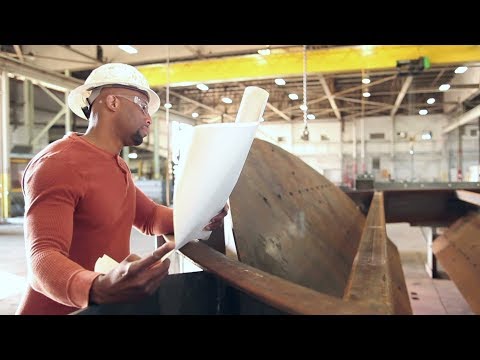
The job mixes floor time, checking that output is meeting quality and quantity targets, with desk work reviewing schedules, staffing levels, and budgets against what the plant actually needs. When something goes wrong, a quality issue, an equipment breakdown, a staffing gap, the manager is usually the one pulled in to diagnose the cause and work with technical and administrative staff on a fix. Because the role sits on the production floor as well as behind a desk, it comes with the same noise and equipment exposure as the workers being supervised, not just an office environment. Most managers hold a bachelor's degree.
Pros
- Strong pay even at entry level, with top earners reaching $206k
- Direct, hands-on oversight of the full production process rather than a narrow desk role
- Central decision-making authority over staffing, budgets, and quality standards on the floor
Cons
- Slower than average projected job growth
- Regular exposure to hazardous equipment, contaminants, and distracting noise levels
- Above-average hours, expect more than a standard 40-hour week
A typical day
The day starts on the floor at 6:45, catching the tail of night shift to hear problems firsthand before they become emails. The 7:15 production meeting sets the day: 40,000 units due, one line short-staffed, a raw material shipment delayed — and the manager reshuffles crews and resequences orders on the spot. Mid-morning is a quality escalation: a customer complaint traced to a batch from Tuesday, requiring containment, root cause, and a corrective action plan by Friday. The afternoon balances people and numbers — a safety walk with genuine attention, budget variance review, an interview for a supervisor opening, and a capital request for a machine that would end a chronic bottleneck. The scoreboard resets at midnight; production management is a game played daily.
Tasks at the job
- Set and monitor product standards, examining samples of raw products or directing testing during processing, to ensure finished products are of prescribed quality.
- Direct or coordinate production, processing, distribution, or marketing activities of industrial organizations.
- Review processing schedules or production orders to make decisions concerning inventory requirements, staffing requirements, work procedures, or duty assignments, considering budgetary limitations and time constraints.
- Review operations and confer with technical or administrative staff to resolve production or processing problems.
- Hire, train, evaluate, or discharge staff or resolve personnel grievances.
- Develop or implement production tracking or quality control systems, analyzing production, quality control, maintenance, or other operational reports to detect production problems.
Workplace & working conditions
Work happens indoors, though not always in a climate-controlled space. Noise levels can be distracting or uncomfortable. The role involves regular exposure to hazardous equipment or conditions and contaminants, and standard protective equipment (gloves, safety glasses, and similar) is expected.
The pace is often fast, with real time pressure to meet deadlines, and you're expected to exercise significant independent judgment day to day. Precision and accuracy are essential to the work, and the work is highly structured, following set procedures. You'll regularly deal with frustrated or upset people as part of the job, and almost all of the work is done as part of a team.
Education necessary or common
Bachelor's degree
Common college majors
Licenses & certifications
- Lean Six Sigma Green Belt — the operations manager's common credential
- CPIM (APICS) — production and inventory management
- OSHA 30-Hour General Industry
Career path
Related fields
Courses to take
- Business or Intro to Business — production is business made physical
- AP Statistics — quality, throughput, and forecasting live in data
- Algebra II — capacity and cost math daily
- Shop or Manufacturing Technology — credibility with the floor you'll lead
- AP Psychology — managing people is the actual hard part
- Public Speaking — daily meetings and tough conversations
Clubs, activities & competitions
- DECA or FBLA — management-track competitions
- FIRST Robotics — team production under deadline is a factory in miniature
- Team captaincy or club leadership — direct leadership reps
- Part-time work in any operation — kitchens and warehouses teach production truth
First steps you can take now
- Take a factory tour and watch the supervisors, not the machines
- Read one plain-English explainer of lean manufacturing or the Toyota Production System
- Lead something with a real deadline and deliverable this semester
- Interview a plant or production manager about their path — many rose from operator, many from engineering