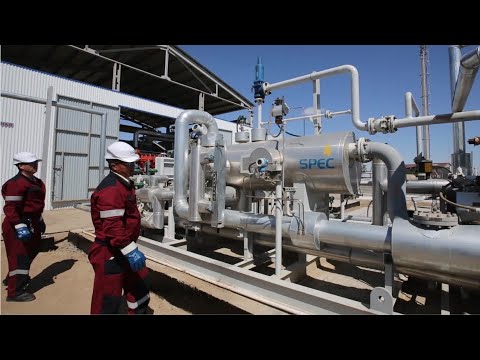
Photo: CEphoto, Uwe Aranas (CC BY-SA 3.0)
Job description
Much of the role involves walking the plant floor for safety inspections and scheduling the logistics that keep fuel (wood, waste, or refuse) arriving and ash being hauled away on time. Managers also track production and demand trends to find opportunities to run the facility more efficiently, and make sure operations stay within environmental and regulatory limits. Because the plant involves loud equipment, heights, and hazardous conditions, safety programs are a constant responsibility, not a once-a-year checklist. The pace tends to be fast and deadline-driven, with a bachelor's degree the typical entry point into the role.
Pros
- Strong pay even at entry level, with top earners reaching $206k
- Leadership role in a growing renewable energy niche overseeing full plant operations
- Hands-on, varied work mixing field inspections with scheduling and safety management
Cons
- Slower than average projected job growth
- Regular exposure to hazardous equipment, working at heights, and distracting noise
- Above-average hours, expect more than a standard 40-hour week
A typical day
The morning report card is on the manager's screen by 6:45: overnight generation, fuel consumed, emissions compliance, and one alarm worth a conversation with the night operator who handled it well — which gets said out loud, because crews remember. Fuel is the day's chess: a call with a sawmill supplier whose chip quality slipped, a logging contractor's delivery schedule shuffled around wet weather, and inventory math that keeps thirty days of fuel on the ground without tying up cash. Midday brings the boiler inspector for a scheduled visit, then budget work on next year's turbine overhaul. A neighbor's complaint about truck traffic gets a personal call back. Running a plant this size means every skill — technical, commercial, human — gets used before dinner.
Tasks at the job
- Supervise biomass plant or substation operations, maintenance, repair, or testing activities.
- Conduct field inspections of biomass plants, stations, or substations to ensure normal and safe operating conditions.
- Plan and schedule plant activities, such as wood, waste, or refuse fuel deliveries, ash removal, and regular maintenance.
- Evaluate power production or demand trends to identify opportunities for improved operations.
- Manage safety programs at power generation facilities.
- Review biomass operations performance specifications to ensure compliance with regulatory requirements.
Workplace & working conditions
Work happens indoors, though not always in a climate-controlled space. Noise levels can be distracting or uncomfortable. The role involves regular exposure to hazardous equipment or conditions and contaminants and working at heights, and standard protective equipment (gloves, safety glasses, and similar) is expected.
The pace is often fast, with real time pressure to meet deadlines, and you're expected to exercise significant independent judgment day to day. Precision and accuracy are essential to the work, and the work is highly structured, following set procedures. Almost all of the work is done as part of a team.
Education necessary or common
Bachelor's degree
Common college majors
Licenses & certifications
- PE license (valued)
- OSHA 30
- Boiler/steam plant operator credentials (path-dependent)
Career path
Related fields
Courses to take
- Physics and Chemistry — plant processes reward real understanding
- AP Calculus AB
- AP Environmental Science — permits and compliance are managerial daily bread
- Economics / Business
- AP English Language
Clubs, activities & competitions
- FFA or Envirothon — the biomass world touches forestry and agriculture
- FIRST Robotics or Science Olympiad
- DECA/FBLA
- Leadership in any operational school activity
First steps you can take now
- Tour a biomass or conventional power plant and ask how the shift supervisors became supervisors
- Follow your regional grid operator's public dashboard for a week and watch when different power sources run
- Lead something with real logistics and a budget this year
- Look up mechanical and chemical engineering programs plus utility co-op/internship pipelines