Photo: Jaime VD (CC BY-SA 4.0)
Job description
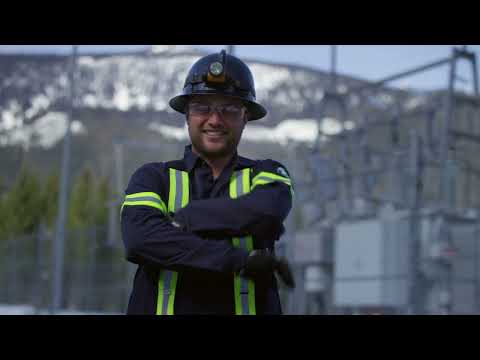
Technicians start and adjust generating units, operate valves and gates, and keep a close eye on equipment performance, stepping in to identify and address malfunctions in generators, transformers, or turbines as they come up. Part of the job is preventive: inspecting equipment regularly to catch maintenance needs early and performing cleanup measures to avoid environmental contamination. The plant floor isn't always climate-controlled and can be loud, with exposure to hazardous equipment and heights, so specialized protective gear is standard. Technicians also communicate constantly with dispatchers and supervisors to keep the whole operation coordinated.
Pros
- Pay can reach nearly $132k with only vocational training or an associate's degree required
- Team-based technical work operating and maintaining major power generation equipment
- Stable, essential infrastructure role keeping part of the electric grid running
Cons
- Employment is projected to shrink over the next decade (-11.2%) as the hydro fleet ages without much new construction
- Regular exposure to hazardous equipment, heights, and specialized safety gear requirements
- A relatively small, geographically limited occupation tied to existing dam and plant locations
A typical day
The control room handoff starts the shift: overnight generation numbers, a bearing temperature trending slightly warm on unit two, and the day's switching orders. The morning walk-down is all senses — listening for new vibrations in the turbine hall, checking oil levels and cooling water flows, feeling housings for heat the sensors might miss. Mid-morning the technician racks out a breaker under a lockout-tagout permit and replaces a failing governor sensor, documenting every step. After lunch, dam duties: reading piezometers, clearing debris from trash racks, logging reservoir elevation for the dispatcher who balances power and water downstream. A storm forecast means the evening plan changes — spillway gates get tested, and the technician stays sharp, because the river doesn't keep business hours.
Tasks at the job
- Identify or address malfunctions of hydroelectric plant operational equipment, such as generators, transformers, or turbines.
- Start, adjust, or stop generating units, operating valves, gates, or auxiliary equipment in hydroelectric power generating plants.
- Perform preventive or corrective containment or cleanup measures in hydroelectric plants to prevent environmental contamination.
- Inspect water-powered electric generators or auxiliary equipment in hydroelectric plants to verify proper operation or to determine maintenance or repair needs.
- Communicate status of hydroelectric operating equipment to dispatchers or supervisors.
- Operate high voltage switches or related devices in hydropower stations.
Workplace & working conditions
Work happens indoors, though not always in a climate-controlled space. Noise levels can be distracting or uncomfortable. The role involves regular exposure to hazardous equipment or conditions and contaminants and working at heights, and specialized protective equipment is standard.
You'll regularly deal with frustrated or upset people as part of the job, and almost all of the work is done as part of a team.
Education necessary or common
Vocational training, apprenticeship, or associate's degree
Licenses & certifications
- Utility/IBEW apprenticeship completion — the standard path
- OSHA 30 and electrical safety (NFPA 70E) training
- First Aid/CPR — required at most plants
Career path
Related fields
Courses to take
- Physics — turbines, generators, and water pressure are pure applied physics
- Electrical Trades or Electronics — half the plant is electrical systems
- Shop/Mechanical Technology — pumps, bearings, and hydraulics need hands
- Algebra II — flow rates, power output, and pressure calculations
- Earth Science — watersheds, weather, and the river's behavior
Clubs, activities & competitions
- SkillsUSA — electrical and mechanical trade competitions
- FIRST Robotics — motors, controls, and troubleshooting
- Part-time mechanical or electrical helper work
- Fishing or river recreation — genuine familiarity with moving water
First steps you can take now
- Tour a hydroelectric dam — many federal dams offer public tours that include the powerhouse
- Study how a generator works and build a simple hand-crank version
- Look up power plant technology programs at community colleges, and utility apprenticeships (IBEW) in your region
- Ask your local utility if they run high school career pipelines — many do, and hydro jobs are stable