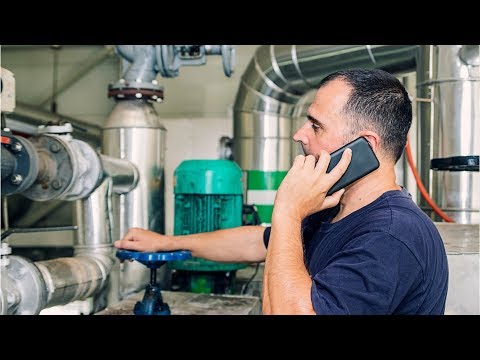
Photo: Department of Defense / American Forces Information Service (Public domain)
Job description
A shift usually means watching gauges, meters, and charts to make sure a boiler is operating safely, checking water, chemical, and fuel levels, and adjusting them as needed. Engineers keep detailed logs of operation, maintenance, and any equipment malfunctions, and troubleshoot problems on the spot to keep systems running reliably, often taking direction from a steam engineer on plant and compressor operations. Because a mistake with pressurized equipment can be dangerous, the work demands steady attention and comes with real physical hazards (noise, heights, machinery) that call for standard protective gear.
Pros
- Pay ceiling above $125k with only vocational training or an apprenticeship required
- Modest but positive projected job growth (2.2% over the next decade), keeping the field stable
- Comfortable indoor role monitoring and analyzing system data rather than constant physical labor
Cons
- Regular exposure to hazardous equipment, heights, and contaminants around boiler and steam systems
- Mistakes can have serious consequences, requiring constant vigilance monitoring gauges and logs
- Frequent contact with frustrated colleagues or building occupants during equipment issues
A typical day
The shift starts with rounds: reading pressure and temperature gauges on the boilers, checking water chemistry, and logging every number because the log is a legal record. Mid-morning a feedwater pump starts vibrating wrong, and catching it early means a scheduled repair instead of a 2am emergency. The afternoon holds preventive maintenance -- greasing bearings, testing safety valves, blowing down the boiler to control sediment. Before handing off to the night operator, everything gets documented, because the next person's safety depends on knowing exactly what this shift touched.
Tasks at the job
- Operate or tend stationary engines, boilers, and auxiliary equipment, such as pumps, compressors, or air-conditioning equipment, to supply and maintain steam or heat for buildings, marine vessels, or pneumatic tools.
- Maintain daily logs of operation, maintenance, and safety activities, including test results, instrument readings, and details of equipment malfunctions and maintenance work.
- Receive instructions from steam engineers regarding steam plant and air compressor operations.
- Monitor boiler water, chemical, and fuel levels, and make adjustments to maintain required levels.
- Analyze problems and take appropriate action to ensure continuous and reliable operation of equipment and systems.
- Observe and interpret readings on gauges, meters, and charts registering various aspects of boiler operation to ensure that boilers are operating properly.
Workplace & working conditions
Work happens indoors, though not always in a climate-controlled space. Noise levels can be distracting or uncomfortable. The role involves regular exposure to hazardous equipment or conditions and contaminants and working at heights, and standard protective equipment (gloves, safety glasses, and similar) is expected.
There's a regular, moderate amount of time pressure, and you're expected to exercise significant independent judgment day to day. Mistakes can have serious consequences, so accuracy matters a lot. You'll regularly deal with frustrated or upset people as part of the job, and almost all of the work is done as part of a team.
Education necessary or common
Vocational training, apprenticeship, or associate's degree
Licenses & certifications
- Boiler operator/stationary engineer license (city or state)
- OSHA 10
- EPA Section 608 (refrigeration, often paired)
Career path
Related fields
Courses to take
- Physics -- pressure, heat, and mechanical systems are the whole job
- Chemistry -- water treatment keeps boilers alive
- Shop or mechanical trades classes -- hands-on systems fluency
- Algebra II -- gauge readings, flow rates, and combustion math
- Electronics electives -- modern plants run on control systems
Clubs, activities & competitions
- SkillsUSA -- industrial and mechanical trade competitions
- Robotics club -- systems troubleshooting practice
- A part-time job involving machinery or maintenance
- HVAC or auto shop program if your school offers one
First steps you can take now
- Tour your school or a local building's boiler room -- facilities staff often say yes
- Take the free OSHA 10 general industry course online
- Look up your city or state's boiler operator license classes and requirements
- Learn to read a basic P&ID (piping and instrumentation diagram)