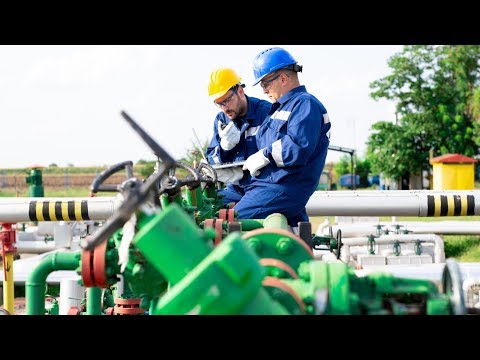
Photo: Richard Webb (CC BY-SA 2.0)
Job description
A typical shift involves running and adjusting biomass-fueled boilers, gasifiers, and generators from a control room, testing boiler water chemistry, and walking the plant floor to inspect equipment and log any damage or mechanical problems. Because a misstep can have real safety and output consequences, technicians work with significant independent judgment but always as part of a team, coordinating with other operators and maintenance staff during startups, shutdowns, and troubleshooting. Progression usually means moving from entry-level monitoring roles to senior operator or shift-lead positions overseeing an entire unit.
Pros
- Six-figure pay ceiling ($131,940) reachable without a four-year degree, just HS diploma plus training
- Hands-on technical work operating and troubleshooting real boiler, gasification, and generator equipment
- Significant day-to-day independent judgment rather than closely supervised routine work
Cons
- Employment projected to shrink 11.2% over the next decade as the field contracts
- Above-average hours (up to 50/week) plus regular exposure to hazardous equipment, heights, and contaminants
- Small, geographically concentrated job market with only about 2,500 positions nationwide
A typical day
Day shift takes the plant at 6am with a walkdown: the wood-chip pile's moisture checked (wet fuel means bad combustion by noon), conveyors and augers inspected for jams, boiler pressures and emissions readings logged against permit limits. Mid-morning the fuel-feed system chokes on oversized material — a familiar fight, cleared with lockout-tagout discipline and a pry bar, gloves and safety glasses non-negotiable. The control room half of the job watches steam temperatures and turbine output, adjusting feed rates as fuel quality drifts through the pile. Afternoon holds preventive maintenance on an induced-draft fan bearing and ash-handling duty, the unglamorous constant of burning biomass. The plant makes megawatts out of what forests and mills discard; the tech keeps that conversion steady and legal.
Tasks at the job
- Operate biomass fuel-burning boiler or biomass fuel gasification system equipment in accordance with specifications or instructions.
- Perform tests of water chemistry in boilers.
- Operate equipment to heat biomass, using knowledge of controls, combustion, and firing mechanisms.
- Operate equipment to start, stop, or regulate biomass-fueled generators, generator units, boilers, engines, or auxiliary systems.
- Inspect biomass power plant or processing equipment, recording or reporting damage and mechanical problems.
- Record or report operational data, such as readings on meters, instruments, and gauges.
Workplace & working conditions
Work happens indoors in a climate-controlled setting. Noise levels can be distracting or uncomfortable. The role involves regular exposure to hazardous equipment or conditions and contaminants and working at heights, and standard protective equipment (gloves, safety glasses, and similar) is expected.
There's a regular, moderate amount of time pressure, and you're expected to exercise significant independent judgment day to day. Mistakes can have serious consequences, so accuracy matters a lot. Almost all of the work is done as part of a team.
Education necessary or common
High school diploma; some on-the-job training or apprenticeship
Licenses & certifications
- OSHA 10
- Boiler operator license (state/city-dependent, earned on the job)
- Forklift and loader certifications
Career path
Related fields
Courses to take
- Physical Science / Physics — steam, pressure, and combustion
- Chemistry
- Shop / Industrial Mechanics — the hands-on backbone
- Algebra II
- Environmental Science — emissions rules shape operations
Clubs, activities & competitions
- SkillsUSA
- FFA forestry projects
- Robotics or any mechanical build team
- Part-time work with equipment (landscaping, farm, shop)
First steps you can take now
- Take OSHA 10 online
- Tour a power plant of any kind — utilities run school tours regularly
- Learn lockout-tagout concepts from free safety resources before anyone teaches you shortcuts
- Look up power plant technology or process operations programs at community colleges