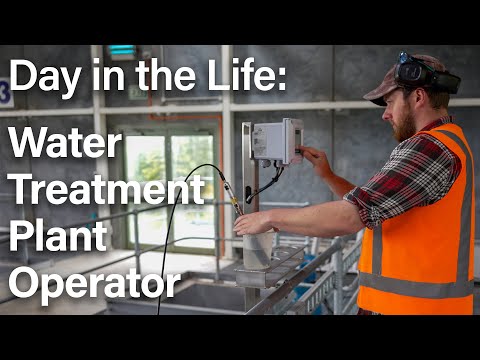
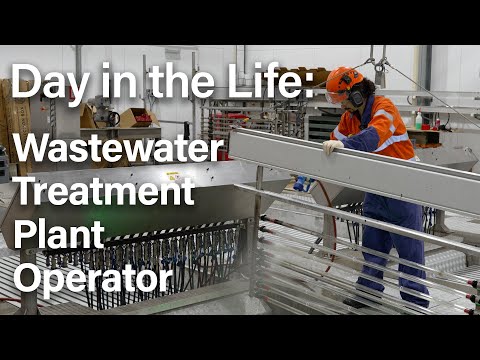
Photo: Kristian Bjornard (CC BY-SA 2.0)
Job description
Much of a shift is spent watching gauges and meters to keep chemical dosing, pressure, and flow within safe ranges, but the job isn't just monitoring: operators also repair and lubricate equipment and clean tanks and filter beds to keep everything running reliably. Because mistakes can affect public health, the work follows tightly structured procedures with careful recordkeeping at every step. State certification is typically required and can open the door to plant supervisor roles later on.
Pros
- Strong pay ceiling above $91k with only vocational training or apprenticeship required
- Essential public-health role keeping community water and sewage systems safe
- Structured, procedure-driven work well suited to methodical, detail-oriented people
Cons
- Employment projected to shrink by 6.5% over the next decade
- Mistakes can have serious public health consequences, adding real weight to the job
- Regular exposure to hazardous equipment and chemicals used in treatment
A typical day
The 6am shift starts at the control board: overnight trends reviewed, then the first jar-test and chlorine-residual checks of the day, because the town's tap water is a live product with a spec. Mid-morning rounds cover the physical plant -- pumps listened to, chemical feed rates verified against flow, a filter backwashed on schedule. A turbidity alarm after lunch turns out to be a sensor fault, but it gets treated as real until proven otherwise, which is the operator's creed. The day ends logging every reading and dose into the compliance records the state will audit, and the water keeps flowing, unnoticed, which is success.
Tasks at the job
- Add chemicals, such as ammonia, chlorine, or lime, to disinfect and deodorize water and other liquids.
- Record operational data, personnel attendance, or meter and gauge readings on specified forms.
- Operate and adjust controls on equipment to purify and clarify water, process or dispose of sewage, and generate power.
- Inspect equipment or monitor operating conditions, meters, and gauges to determine load requirements and detect malfunctions.
- Maintain, repair, and lubricate equipment, using hand tools and power tools.
- Clean and maintain tanks, filter beds, and other work areas, using hand tools and power tools.
Workplace & working conditions
Work happens indoors in a climate-controlled setting. Noise levels can be distracting or uncomfortable. The role involves regular exposure to hazardous equipment or conditions and contaminants, and standard protective equipment (gloves, safety glasses, and similar) is expected.
There's a regular, moderate amount of time pressure, and you're expected to exercise significant independent judgment day to day. Mistakes can have serious consequences, so accuracy matters a lot, and the work is highly structured, following set procedures.
Education necessary or common
Vocational training, apprenticeship, or associate's degree
Licenses & certifications
- State water/wastewater operator license (graded levels)
- OSHA 10
Career path
Related fields
Courses to take
- Chemistry -- treatment is chemistry with public stakes
- Biology -- pathogens and biological treatment processes
- Algebra II -- dosing, flow, and detention-time math on every license exam
- Environmental science -- source water to tap context
- Shop classes -- pumps and valves are half the job
Clubs, activities & competitions
- Science fair with a water-quality project -- test local streams
- Environmental club water monitoring
- SkillsUSA -- related technical events
- First aid and safety certifications
First steps you can take now
- Tour your local water or wastewater plant -- utilities give tours and love curious students
- Test water from several sources with an inexpensive kit and compare
- Look up your state's operator certification grades -- many start with a high school diploma plus exams
- Take the free OSHA 10 course