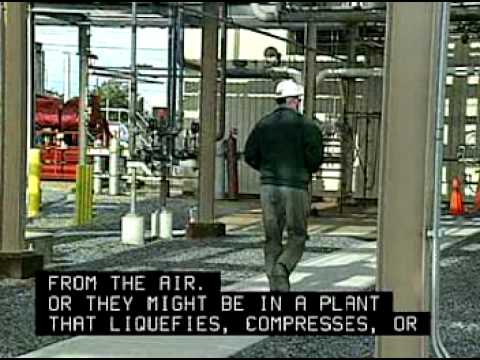
Photo: wfmillar (CC BY-SA 2.0)
Job description
Operators spend the shift monitoring gauges and control panels to keep compressors, scrubbers, and evaporators within safe pressure and temperature ranges, adjusting equipment to regulate how gas flows to downstream boilers and furnaces. Because the work happens largely outdoors at utility sites, operators also track weather conditions and coordinate with maintenance crews when equipment needs repair, logging detailed operational records for every shift. The role carries real safety stakes given the equipment involved, so operators lean on independent judgment while still working closely as part of a team.
Pros
- Strong pay ceiling ($115,520) reachable with just a HS diploma and on-the-job training
- Meaningful independent judgment and responsibility controlling critical utility infrastructure
- Team-based work environment coordinating with maintenance crews and other operators
Cons
- Employment projected to shrink 8.8% over the next decade
- Outdoor work exposed to weather year-round, combined with hazardous equipment and contaminants
- Small, geographically limited job market of about 1,300 positions nationwide
A typical day
The gas plant control room shift starts with the board review: system pressures across the distribution network, odorizer injection rates verified — the rotten-egg smell that saves lives is dosed here — and weather-driven demand forecast against supply. A cold snap this evening means the operator plans peak-shaving early, bringing stored gas online in stages. Midday holds a field round: compressor checks, valve lubrication, and a pressure regulator station inspection across town. An alarm at 3 — pressure dip on a feeder line — gets diagnosed to a third-party contractor dig-in, and the emergency procedures run exactly as drilled. The shift log closes a day most customers never know happened, which is the definition of success.
Tasks at the job
- Control operation of compressors, scrubbers, evaporators, and refrigeration equipment to liquefy, compress, or regasify natural gas.
- Control equipment to regulate flow and pressure of gas to feedlines of boilers, furnaces, and related steam-generating or heating equipment.
- Contact maintenance crews when necessary.
- Signal or direct workers who tend auxiliary equipment.
- Monitor equipment functioning, observe temperature, level, and flow gauges, and perform regular unit checks to ensure that all equipment is operating as it should.
- Record, review, and compile operations records, test results, and gauge readings such as temperatures, pressures, concentrations, and flows.
Workplace & working conditions
Work happens primarily outdoors, exposed to whatever the weather is doing. Noise levels can be distracting or uncomfortable. The role involves regular exposure to hazardous equipment or conditions and contaminants, and standard protective equipment (gloves, safety glasses, and similar) is expected.
There's a regular, moderate amount of time pressure, and you're expected to exercise significant independent judgment day to day. Mistakes can have serious consequences, so accuracy matters a lot. Almost all of the work is done as part of a team.
Education necessary or common
High school diploma; some on-the-job training or apprenticeship
Licenses & certifications
- Process technology certificate/associate
- Operator qualification (OQ) credentials
- OSHA 10
- CDL sometimes useful for field roles
Career path
Related fields
Courses to take
- Chemistry — gas properties, odorization, and combustion
- Physics — pressure and flow systems
- Algebra II — the operator's daily math
- Computer Applications — SCADA and monitoring systems
- Auto/Mechanical shop — pumps, valves, and engines
Clubs, activities & competitions
- SkillsUSA industrial technology events
- Science club with an energy focus
- Robotics — control systems in miniature
- A mechanically hands-on job or hobby
First steps you can take now
- Look up PTEC (process technology) programs at community colleges — utilities recruit from them
- Learn how natural gas reaches a stove from a well (free utility education materials)
- Tour any utility operations center opportunity that arises
- Build mechanical aptitude: maintain engines or plumbing at home