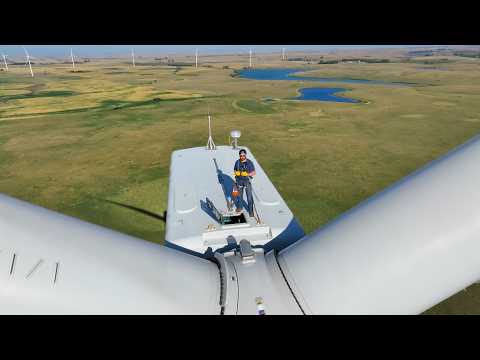
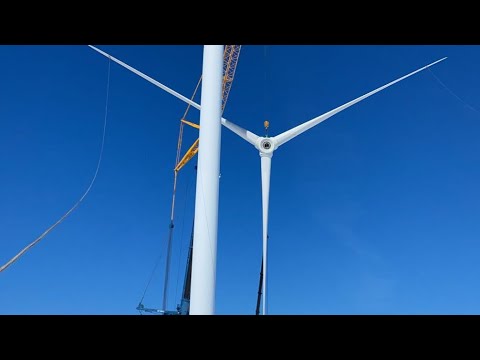
Photo: M J Richardson (CC BY-SA 2.0)
Job description
Technicians test electrical components with tools like voltage testers, multimeters, and oscilloscopes, climb towers to inspect and repair equipment firsthand, and start or restart turbine generator systems to confirm everything is working correctly. They also maintain spare parts inventories and run system tests in coordination with engineers according to formal test plans. The pace is often fast with real deadline pressure, mistakes carry serious consequences, and the job regularly involves close teamwork alongside noise, hazards, and heights that call for specialized protective gear.
Pros
- Explosive projected job growth of 49.9% over the next decade, among the fastest-growing trades
- Pay ceiling above $92k with only vocational training or an apprenticeship required
- Cutting-edge renewable energy work with strong long-term industry momentum
Cons
- Requires regularly climbing wind turbine towers, working at real heights with fall risk
- A relatively small number of positions nationwide, so opportunities may be geographically limited
- Above-average hours, and mistakes on the job can have serious consequences
A typical day
The crew's day is scheduled around the wind forecast: calm morning, so the gearbox-inspection climb happens first, borescope in the pack alongside lunch, because nobody descends 300 feet for a sandwich. Inside the nacelle, the morning goes to the annual service list -- bolts torqued to spec, brake pads measured, hydraulic pressures verified against the manual. A vibration reading trending wrong on the main bearing gets flagged for the reliability engineer, the kind of catch that saves a six-figure repair. The afternoon's second turbine has an electrical gremlin in the converter cabinet, traced with a meter and schematics, and the drive home crosses a horizon the crew keeps spinning.
Tasks at the job
- Diagnose problems involving wind turbine generators or control systems.
- Test electrical components of wind systems with devices, such as voltage testers, multimeters, oscilloscopes, infrared testers, or fiber optic equipment.
- Start or restart wind turbine generator systems to ensure proper operations.
- Climb wind turbine towers to inspect, maintain, or repair equipment.
- Maintain tool and spare parts inventories required for repair, installation, or replacement services.
- Test structures, controls, or mechanical, hydraulic, or electrical systems, according to test plans or in coordination with engineers.
Workplace & working conditions
Work happens indoors, though not always in a climate-controlled space, and most of the day is spent on your feet, and you work in close physical proximity to coworkers or the public for much of the shift. Noise levels can be distracting or uncomfortable. The role involves regular exposure to hazardous equipment or conditions and contaminants and working at heights, and specialized protective equipment is standard.
The pace is often fast, with real time pressure to meet deadlines, and you're expected to exercise significant independent judgment day to day. Mistakes can have serious consequences, so accuracy matters a lot. You'll regularly deal with frustrated or upset people as part of the job, and almost all of the work is done as part of a team.
Education necessary or common
Vocational training, apprenticeship, or associate's degree
Licenses & certifications
- GWO Basic Safety Training
- OSHA 10
- First aid/CPR
Career path
Related fields
Courses to take
- Electronics or electrical shop -- converters and controls are half the faults
- Physics -- mechanical, hydraulic, and electrical in one system
- Algebra II -- specs, readings, and diagnostics math
- Physical education -- climb fitness is a job requirement
- Computer applications -- diagnostic software
Clubs, activities & competitions
- SkillsUSA electrical and mechatronics events
- Robotics team -- integrated systems troubleshooting
- Climbing gym membership -- height comfort
- Small-engine or auto repair hobby work
First steps you can take now
- Take the free OSHA 10 course
- Learn basic multimeter skills on low-voltage projects
- Compare wind-tech training programs -- certificates run under a year, associate degrees two
- Talk to a traveling wind tech about road life versus site life