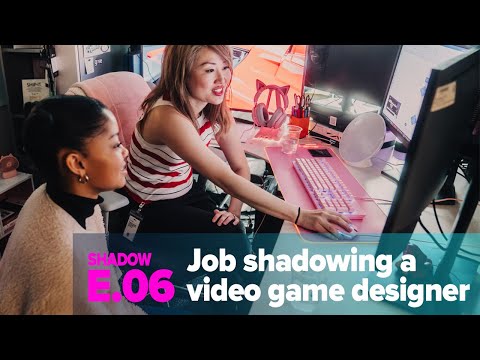
Photo: Microsoft Corporation (CC BY-SA 4.0)
Job description
Designers devise the missions, challenges, and puzzles players will encounter, then build out storylines, role-play mechanics, and character biographies for a new game or franchise. A big part of the job is documentation: maintaining detailed design-level records covering mechanics, guidelines, and mission outlines that the rest of the production team builds from. Designers also run regular design reviews throughout development, folding feedback from technical and design staff back into the game, and constantly balance and adjust the gameplay experience with an eye toward what will actually land with players and critics. It's fast-paced, deadline-driven work done almost entirely as part of a larger production team.
Pros
- High upside earning potential, up to $202k
- Faster than average projected job growth (7% over the next decade)
- Creative, hands-on role shaping storylines, mechanics, and puzzles rather than pure technical work
Cons
- Above-average hours, expect more than a standard 40-hour work week
- Fast pace with real time pressure to hit development milestones and launch deadlines
- Design decisions are judged commercially, adding pressure beyond just creative satisfaction
A typical day
The morning design sync tackles a hard truth from last night's playtest: the new level's middle section is where fun goes to die, and the telemetry heatmap agrees. The designer spends the deep-work block in the editor, rebuilding the encounter's pacing -- enemy placement, sightlines, and the reward that pulls players through. The afternoon is cross-discipline diplomacy: negotiating with engineering about a mechanic's cost and with art about readability at combat speed. The day ends writing a one-page spec for a new ability, precise enough that five people build the same idea.
Tasks at the job
- Balance and adjust gameplay experiences to ensure the critical and commercial success of the product.
- Devise missions, challenges, or puzzles to be encountered in game play.
- Create core game features, including storylines, role-play mechanics, and character biographies for a new video game or game franchise.
- Solicit, obtain, and integrate feedback from design and technical staff into original game design.
- Conduct regular design reviews throughout the game development process.
- Develop and maintain design level documentation, including mechanics, guidelines, and mission outlines.
Workplace & working conditions
Work happens indoors in a climate-controlled setting, and most of the day is spent sitting at a desk.
The pace is often fast, with real time pressure to meet deadlines. Almost all of the work is done as part of a team.
Education necessary or common
Bachelor's degree
Common college majors
Career path
Related fields
Courses to take
- AP Computer Science A -- designers who script prototype their own ideas
- AP English Language -- specs and narrative design are writing
- AP Psychology -- motivation, reward, and flow are the raw materials
- Art or design electives -- visual communication
- AP Statistics -- telemetry and balance math
Clubs, activities & competitions
- Game jams (Global Game Jam, Ludum Dare) -- finish small games repeatedly
- Board game design club -- mechanics stripped of code
- Esports or gaming club leadership
- Mod existing games -- level editors are free design schools
First steps you can take now
- Finish one tiny game this month in a free engine (Godot, Unity) or even on paper
- Design a board game and playtest it five times, revising each time
- Write a one-page design breakdown of why a level you love works
- Join a game jam team as the designer