Photo: Michael Gäbler (CC BY 3.0)
Job description
The work follows the rhythm of the bees rather than a fixed schedule: inspecting hives regularly for disease, pests, queen health, and honey production, then splitting, requeening, or combining colonies as needed to keep them strong. Beekeepers also harvest and package honey and wax, treat for pests like varroa mites, and maintain the hive boxes and equipment that make all of it possible. Many commercial operations add another income stream by trucking hives to farms for paid pollination contracts, and since getting stung is a routine hazard, the job demands calm, deliberate movement around agitated hives.
Pros
- Income scales with operation size, from a side business up to $90k commercially
- No formal degree required, most learn through apprenticeship and hands-on experience
- Outdoor, hands-on work that follows the natural rhythm of the seasons
Cons
- Long, demanding hours are common, especially during spring buildup and summer honey flow
- Stings are a routine occupational hazard even when working in protective suits
- Income depends heavily on scale, so a small operation may not sustain a living
A typical day
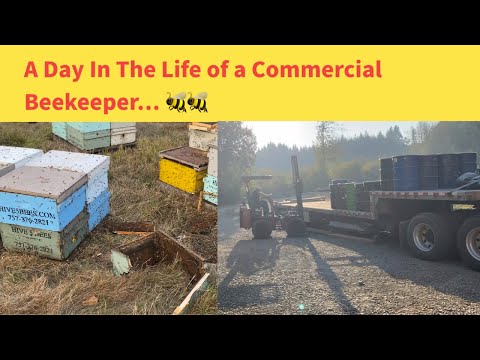
Hive inspections start mid-morning once the field bees are out working and the colonies are calm: smoker lit, veil on, each hive opened with deliberate slowness — reading frames for the queen's laying pattern, brood health, honey stores, and the swarm cells that would mean losing half a colony next week if missed. A commercial operation's day scales that by hundreds: loading hives for a pollination contract, feeding syrup ahead of a nectar dearth, treating for varroa mites on a schedule that ignores convenience. Extraction season converts the honey house into a sticky assembly line of uncapping, spinning, and bottling. Records per hive close the day. Stings happen; obsession with bee biology is what makes them worth it.
Tasks at the job
- Inspect hives regularly for signs of disease, pests, queen health, and honey production.
- Manage hive populations by splitting colonies, requeening, or combining weak hives.
- Harvest honey, wax, and other hive products, then extract and package them for sale.
- Treat colonies for pests such as varroa mites and monitor for signs of colony collapse.
- Transport hives to agricultural sites for pollination contracts.
- Maintain and repair hive boxes, frames, and beekeeping equipment.
Workplace & working conditions
Work happens outdoors at apiary sites, in direct proximity to thousands of live bees, often in protective suits during warm months.
The work follows the seasonal rhythm of bee colonies rather than a fixed schedule, with the busiest stretches during spring buildup and summer honey flow. Stings are a routine occupational hazard, and the work demands calm, deliberate movement around agitated hives.
Education necessary or common
No formal degree required, though agricultural or entomology coursework helps; most learn through apprenticeship or hands-on experience
Licenses & certifications
- State apiary registration (required in most states)
- Master Beekeeper programs (university-run, later)
- Pesticide applicator license (for some treatments)
Career path
Related fields
Courses to take
- AP Biology — bee biology, disease, and botany all live here
- AP Environmental Science — pollination ecology and pesticide dynamics
- Chemistry
- Business math — honey, wax, and pollination contracts are a business
- Agriscience if offered
Clubs, activities & competitions
- 4-H beekeeping projects (many counties have them)
- FFA
- Local beekeepers association — most welcome youth members eagerly
- Envirothon or ecology club
First steps you can take now
- Join your county beekeepers association and ask to assist an experienced keeper for a season — the standard apprenticeship
- Take a beginner beekeeping short course (associations run them each spring, often cheap)
- Read one solid beekeeping primer and learn the year's rhythm before buying anything
- Plant pollinator forage and observe which bees visit and when