Photo: U.S. Air Force photo by Staff Sgt. Douglas Lorance (Public domain)
Job description
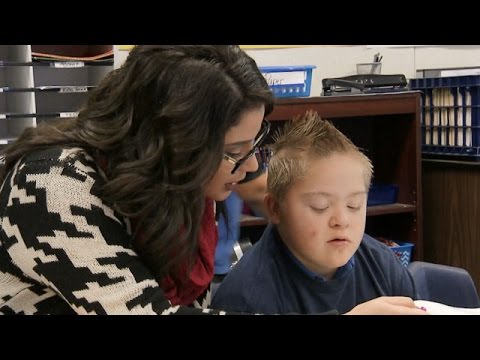
Rather than sitting at a desk, this work happens on your feet, moving between students to reinforce lessons, adapt materials to what each student needs, and help with mobility, personal care, or communication when their plan calls for it. Assistants track and record progress and behavior for the teacher and the wider IEP team, and are trained to calmly de-escalate a behavioral incident if one comes up. It's collaborative by design, involving constant coordination with the lead teacher, therapists, and often the student's family, and progress can be slow, so patience matters as much as consistency.
Pros
- Entry via vocational training or an associate's degree, not a four-year degree
- Direct, meaningful impact helping individual students reach specific IEP goals
- Collaborative role working closely with teachers, therapists, and families rather than in isolation
Cons
- Above-average hours, expect more than a standard 40-hour work week
- Behavioral incidents can escalate quickly and require calm, immediate judgment under real pressure
- Progress with students can be slow, requiring ongoing patience without quick, visible wins
A typical day
The morning starts by meeting an assigned student at the bus, because a calm transition into the building sets up the whole day. Class time is one-on-one support -- modified worksheets, a token board for motivation, and data marks on a clipboard for every IEP goal the student practices. A tough moment after lunch means putting de-escalation training to work: low voice, space, and the sensory break the behavior plan calls for. The day ends helping with a small reading group and briefing the teacher on which strategies actually worked today, because the aide often knows the student best.
Tasks at the job
- Work one-on-one or in small groups with students who have learning, physical, or behavioral disabilities under a teacher's direction.
- Help implement a student's Individualized Education Program (IEP) goals during class activities.
- Assist with mobility, personal care, or communication needs as required by a student's plan.
- Reinforce lessons and adapt materials to a student's specific learning needs.
- Track and record student progress and behavior for the teacher and IEP team.
- Help de-escalate behavioral incidents using approved strategies.
Workplace & working conditions
Work happens in a classroom or resource room, often on your feet and moving between students rather than at a desk.
The work requires patience and consistency since progress can be slow, and behavioral incidents can escalate quickly and require calm, immediate judgment. It's collaborative by nature, with constant coordination with the lead teacher, therapists, and often the student's family.
Education necessary or common
Vocational training, apprenticeship, or associate's degree
Licenses & certifications
- ParaPro Assessment (many districts)
- Crisis intervention training (CPI/Safety-Care, employer-provided)
- CPR/First Aid
Career path
Related fields
Courses to take
- AP Psychology -- behavior and learning differences
- Child development electives
- American Sign Language -- some students communicate with signs or devices
- Health -- some roles include feeding or mobility support
- English -- reading support and clear documentation
Clubs, activities & competitions
- Best Buddies or peer buddy program -- direct relationships with students with disabilities
- Special Olympics volunteering
- Unified sports participation
- Camp counselor work at inclusive camps
First steps you can take now
- Join or start a peer buddy program at your school
- Volunteer at a Special Olympics event this season
- Ask to observe your school's special education classroom
- Learn de-escalation basics from free training resources