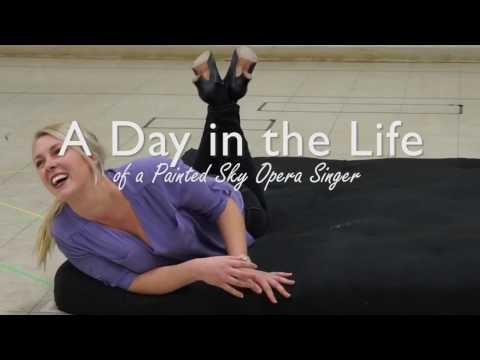
Photo: Sino Yu (CC BY-SA 4.0)
Job description
Preparing for a role means learning the music, staging, and often a foreign language from scratch for each new production, on top of the ongoing vocal training needed to keep the voice in shape. Singers audition widely, sometimes internationally, and build a career company by company rather than holding one steady job. Performing live without microphones night after night demands real stamina and control, and the lifestyle involves frequent travel and long stretches away from home between engagements.
Pros
- High upside earning potential, up to $200k for established singers
- Rare, highly specialized skill of unamplified live singing that few can master
- International career opportunities performing with opera companies worldwide
Cons
- Entry-level pay can be quite low, and roles are won only through competitive auditions
- Career is built contract-by-contract rather than through steady employment
- Frequent relocation and long stretches away from home between engagements
A typical day
The voice gets an hour of technical work before anything else — scales, onsets, and passaggio drills as routine as an athlete's stretching, because the instrument lives in the body and the body keeps score. Mid-morning is coaching: two hours at the piano with a répétiteur drilling an aria's Italian diction syllable by syllable, then musical details a conductor will expect memorized. The afternoon holds staging rehearsal for the current production — singing full voice while acting, moving, and watching the maestro peripherally, a triathlon disguised as standing still. Between rehearsals, the business intrudes pleasantly and otherwise: an audition tape to record, a contract for next season, a flight to book. Performance nights invert the whole day around a 8pm curtain: quiet, hydration, warm-up, costume, and two unamplified hours filling a 3,000-seat hall over an orchestra.
Tasks at the job
- Learn and rehearse vocal roles, often in multiple languages.
- Maintain rigorous, ongoing vocal training and conditioning.
- Perform live without microphone amplification.
- Learn blocking and staging direction from the production's director.
- Audition for roles with opera companies, often internationally.
- Travel between cities for engagements with different companies.
Workplace & working conditions
Work happens in opera houses and rehearsal studios, with substantial travel between engagements at different companies.
Singing unamplified demands exceptional vocal control and stamina night after night. The lifestyle involves frequent relocation and long stretches away from home between contracts.
Education necessary or common
Bachelor's or master's degree in vocal performance is common, often followed by a young-artist program at an opera company
Common college majors
Related fields
Courses to take
- Choir every year — ensemble singing and sight-reading are the foundation
- AP Music Theory — professional musicianship requires it
- World Language: Italian, German, or French — opera's working languages
- Drama — opera is theater; acting is not optional
- AP English Literature — text interpretation feeds dramatic interpretation
Clubs, activities & competitions
- All-State choir and solo/ensemble festival — audition experience compounds
- School musical lead roles — stage presence under pressure
- Private voice lessons with a teacher who understands young voices
- Community or church choir soloist work
First steps you can take now
- Find a voice teacher trained in classical technique — young voices need protection, not pushing
- Attend one live opera (student rush tickets are cheap) or a Met Live in HD broadcast
- Learn one art song in Italian properly — diction, translation, and musicality
- Record yourself monthly and keep the recordings; the growth becomes audible