Photo: Rundvald (CC BY-SA 4.0)
Job description
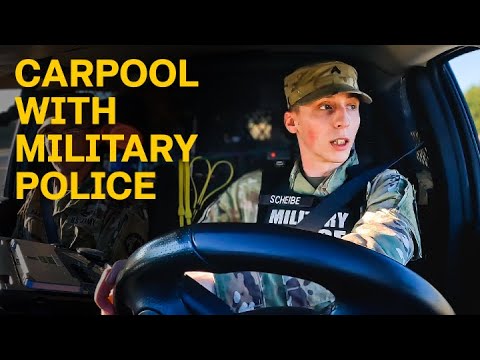
Patrols cover military installations to enforce law, order, and force-protection standards, while also controlling checkpoints and traffic and investigating crimes, accidents, or security incidents on base. Military police detain, process, and transport individuals suspected of violations, provide security for high-value assets or convoys, and complete incident reports that can lead to testifying in military legal proceedings. Deployed assignments can extend the role into combat zones handling security, convoy, or detainee operations, and the skills built here translate directly into civilian law enforcement, corrections, or federal agent careers after service.
Pros
- Pay reaches up to $100k with experience and rank
- Experience translates directly into civilian law enforcement or federal agent careers after service
- Varied duties spanning patrol, investigations, and security rather than one repetitive task
Cons
- Long, demanding hours are common, with shifts often running around the clock
- Deployed assignments can carry genuine combat risk during security or convoy duties
- Role can involve confrontation with armed or resistant individuals, requiring readiness to use force
A typical day
The shift briefing at 0600 covers overnight incidents and today's assignments: gate duty, patrol, or a follow-up on a barracks larceny case. Gate duty means hours checking IDs and inspecting vehicles entering the installation, alert for the one credential that doesn't scan right. Patrol runs like civilian policing with a military overlay — a traffic stop, a domestic disturbance call in base housing, a report to write on each. Some days bring training instead: active-shooter response drills or detainee-operations practice. The shift ends with a pass-down log so the next patrol inherits every open thread.
Tasks at the job
- Patrol military installations to enforce law, order, and force protection standards.
- Investigate crimes, accidents, or security incidents occurring on base or among personnel.
- Control access points, checkpoints, and traffic on and around military facilities.
- Detain, process, and transport individuals suspected of violations or crimes.
- Provide security for high-value assets, convoys, or designated personnel.
- Complete incident reports and testify or provide evidence in military legal proceedings.
Workplace & working conditions
Work happens on military installations and, in deployed settings, in combat zones performing security, convoy, or detainee-operations duties.
The role can involve confrontation with armed or resistant individuals and requires readiness to use force when necessary, alongside strict rules of engagement and procedure. Shifts often run around the clock, and deployed assignments can carry genuine combat risk.
Education necessary or common
Varies by service and by whether entering as an enlisted member or officer; military police training follows basic training
Career path
Related fields
Courses to take
- Physical Education — fitness standards apply from day one of basic training
- Criminal Justice or Law electives if offered — the legal core of police work
- AP English Language and Composition — incident reports are legal documents; writing matters
- AP Psychology — de-escalation and reading people
- Algebra II — a solid ASVAB score opens the MP specialty
Clubs, activities & competitions
- JROTC — the military side of the equation
- Police Explorers (Learning for Life) post — the law enforcement side, hands-on
- Team sports — physical readiness and squad-style teamwork
- Civil Air Patrol — uniformed service experience
First steps you can take now
- Talk to a recruiter about MP roles in different branches — each service structures the job differently
- Ride along with local police if your department allows teens — much of MP work resembles it
- Take a full-length ASVAB practice test to see where you stand
- Start documenting a clean record now: MP roles require security screening, and choices at 16 follow you